Questions to Ask When Hiring a Civil Litigation Lawyer in California

Need a Civil Litigation Attorney?
Get matched with pre-screened attorneys in your area. Free to use, no obligation.
Get Matched Free
When you are facing a civil dispute in California, choosing the right attorney can determine whether your case reaches a favorable resolution or stalls in costly, drawn-out proceedings. The most important step you can take before signing a fee agreement is asking the right questions during your initial consultation. This guide walks you through exactly what to ask, what to expect from the California civil litigation process, and how to protect your legal and financial interests from the start.
What Is Civil Litigation in California?
Civil litigation is the legal process used to resolve non-criminal disputes between individuals, businesses, or organizations. In California, these disputes are handled in the state's Superior Courts and can involve contract disagreements, property conflicts, landlord-tenant matters, personal injury claims, business disputes, and professional malpractice. The goal in a civil case is not criminal punishment but legal remedies — most often monetary damages, specific performance of a contract, or injunctive relief that compels or prohibits a specific action.
Unlike criminal cases, where the state initiates prosecution, civil litigation is driven by the parties themselves. That dynamic places significant responsibility on you to secure competent, strategic representation from the outset. The California Code of Civil Procedure governs how these cases move through the courts, from the initial complaint to post-trial appeals.
The California Civil Litigation Process: What to Expect
Understanding the general sequence of civil litigation helps you evaluate a prospective attorney's experience and approach. Most cases follow this path, though timelines vary by complexity and court backlog.
Filing the Complaint
The plaintiff initiates the lawsuit by filing a formal Complaint with the appropriate California Superior Court. This document sets out the factual basis of the dispute, the specific legal claims, and the relief or damages sought. The Complaint must satisfy the pleading requirements of the California Code of Civil Procedure.
Service of Process
The defendant is formally notified of the lawsuit by being served with a copy of the Complaint and a Summons. This step ensures due process. Once served, the defendant has 30 calendar days to file a written response under CCP § 412.20(a)(3). Failure to respond within that window can result in a default judgment against the defendant.
Defendant's Response
The defendant may respond with an Answer — admitting or denying the allegations and asserting affirmative defenses — or a Demurrer, which challenges the legal sufficiency of the Complaint itself. A Motion to Strike may also be used to challenge specific portions of the Complaint. Each option carries different strategic implications and different timelines for the case going forward.
Discovery
Discovery is the information-gathering phase, and it is often the most time-intensive stage of civil litigation. Both parties exchange documents, submit written interrogatories, request admissions, and conduct depositions — sworn out-of-court testimony from parties and witnesses. Interrogatory responses are due within 30 days of service under CCP § 2030.260. Discovery in complex business disputes can run for six months to over a year.
Motions
Throughout the case, attorneys file motions asking the court to issue rulings or orders. Common motions include motions to compel discovery responses, motions for summary judgment (arguing the case should be decided without a full trial based on undisputed facts), and motions to dismiss. A motion for summary judgment must be filed at least 81 days before the hearing under CCP § 437c(a).
Settlement and Mediation
The majority of California civil cases resolve before trial through negotiated settlements or alternative dispute resolution. Mediation — where a neutral third party facilitates discussion between the parties — is widely used and often encouraged by courts to conserve judicial resources. An experienced litigator will advise you on when a settlement offer is favorable and when it falls short of your legitimate recovery.
Trial
If no settlement is reached, the case proceeds to trial before a judge or jury. Both sides present evidence, witness testimony, and legal arguments. The judge or jury then issues a verdict. Civil trials in California can range from a single day for simple matters to several weeks for complex commercial disputes.
Post-Trial Motions and Appeals
After a verdict, the losing party may file a motion for new trial or appeal to the California Court of Appeal. A notice of appeal must generally be filed within 60 days of service of the notice of entry of judgment under California Rules of Court, Rule 8.104.
Statutes of Limitations in California Civil Cases
One of the most critical factors in any civil dispute is timing. California law sets strict deadlines — called statutes of limitations — for filing a lawsuit. Missing these deadlines permanently bars your claims, regardless of their merits. Relevant limitations periods are found in CCP §§ 312–365. Some of the most commonly applicable deadlines include:
| CLAIM TYPE | LIMITATIONS PERIOD | GOVERNING STATUTE |
| Personal injury | 2 years from date of injury | CCP § 335.1 |
| Breach of written contract | 4 years from date of breach | CCP § 337(a) |
| Breach of oral contract | 2 years from date of breach | CCP § 339(1) |
| Property damage | 3 years from date of damage | CCP § 338 |
| Fraud | 3 years from discovery of fraud | CCP § 338(d) |
These deadlines can be affected by tolling rules, delayed discovery, and the circumstances of your case. Consulting an attorney as early as possible is the only reliable way to ensure you do not forfeit your right to seek legal relief.
What Does Civil Litigation Cost in California?
Legal costs in civil litigation vary significantly based on case complexity, the attorney's experience, and geographic location within the state. According to Clio's 2025 Legal Trends Report, the average hourly rate for a civil litigation attorney in California is $398, with the statewide average across all practice areas reaching $422 per hour. Rates in major metropolitan areas like Los Angeles and San Francisco typically exceed those figures. Common fee structures include:
| FEE TYPE | HOW IT WORKS | TYPICAL USE |
| Hourly rate | Attorney charges a set rate per hour. California civil litigation attorneys typically bill $350–$550/hour, with some senior litigators at established firms billing higher. | Most common in business disputes, contract cases, and general civil litigation. |
| Contingency fee | Attorney receives a percentage of the recovery — typically 33%–40% — only if you win. No recovery means no attorney fee. | Most common in personal injury cases where a monetary recovery is anticipated. |
| Flat fee | A single fixed amount for a specific service or phase of the case. | Less common for full litigation; may apply to demand letters or document review. |
| Retainer | An upfront deposit — typically $5,000–$15,000 depending on complexity — held in trust and drawn against as work is performed. | Often required alongside hourly rate agreements to fund initial case work. |
Beyond attorney fees, you should ask about out-of-pocket case costs: court filing fees, court reporter fees for depositions, and expert witness fees. These expenses can add thousands of dollars to the total cost of litigation and are often billed separately from attorney fees.
Essential Questions to Ask When Interviewing a Civil Litigation Attorney
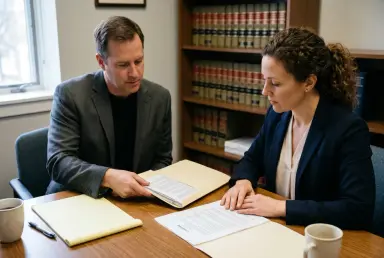
The consultation is your best opportunity to evaluate whether an attorney is the right fit for your case. Come prepared with specific, direct questions. Vague answers or reluctance to discuss strategy and costs are warning signs worth heeding.
About Experience and Track Record
"How many civil litigation cases involving disputes like mine have you handled in the past two years, and what were their outcomes?" A qualified attorney should be able to speak with specificity — not generalities — about case types, venues, and results. California's civil court system includes local customs and procedural variations that only attorneys with regular practice in your county will know well.
About Strategy
"What is your initial assessment of my case, and what legal theories would you pursue?" A skilled litigator evaluates your facts, identifies the strongest legal claims, and anticipates the other side's defenses from the first meeting. An attorney who cannot articulate a preliminary strategy during the consultation may not have the depth of experience your case requires.
About Settlement vs. Trial
"What percentage of your cases settle before trial, and at what stage do you typically recommend settlement?" Most civil cases in California resolve before reaching the courtroom. But your attorney should be fully capable of trying your case if a fair settlement cannot be achieved. Ask directly whether they have first-chair trial experience in courts similar to the one where your case will be filed.
About Communication
"Who will be my primary point of contact, and how often can I expect updates on my case?" In larger firms, associates or paralegals may handle day-to-day work. Understanding the team structure and communication cadence upfront prevents frustration later. Responsive communication is a reasonable expectation — not a luxury.
About Fees and Costs
"Can you provide a written estimate of total fees and costs for each phase of the case?" A transparent attorney will walk you through the fee agreement, explain how costs are billed, and give you a realistic projection of what your matter will require. Request that all fee arrangements be spelled out in a written retainer agreement before work begins — this is a standard practice and a basic protection for both parties.
About Local Court Knowledge
"Are you familiar with the judges and local rules in the court where my case will be filed?" California Superior Courts vary by county, and local rules can affect everything from filing deadlines to motion practice schedules. An attorney who regularly appears in your county's court brings practical knowledge that cannot be learned from statutes alone.
What to Look for in a California Civil Litigation Attorney
Beyond the answers you receive in consultation, look for a lawyer whose professional background demonstrates relevant, consistent experience. An attorney who primarily handles family law or criminal defense will not bring the same depth to a complex commercial dispute. Look for membership in relevant practice groups such as the State Bar of California's litigation section, as well as a demonstrated pattern of resolving cases efficiently — through settlement when appropriate and through trial when necessary.
Effective legal representation also depends on how well you and your attorney communicate. You should feel that your goals are understood and taken seriously. Attorneys who speak only in legal jargon without explaining what it means for your specific situation may not be the clearest advocates when it counts.
Common Mistakes to Avoid When Facing Civil Litigation
Delaying legal consultation is the most costly mistake a civil litigant can make. Statutes of limitations are non-negotiable — once they expire, your claims are gone regardless of how strong they might have been. Similarly, withholding relevant information from your attorney, even facts you believe are damaging, prevents them from building the most effective defense or claim strategy. Candor with your lawyer is both legally protected and strategically essential.
Many people also underestimate the total cost of litigation and are caught off guard by expenses mid-case. Fully understanding the fee structure and likely costs before work begins is not optional — it is a prerequisite to making an informed decision. Lastly, fixating on trial as the only acceptable outcome can prolong disputes and increase costs substantially. Settlement, mediation, and other alternative resolution methods are powerful tools that skilled litigators use strategically, not as concessions.
Frequently Asked Questions
How long does civil litigation typically take in California?
Duration varies widely. Simple disputes resolved through early settlement may conclude in a few months. Complex cases proceeding through full discovery and trial can take two to four years or more, particularly in high-volume courts with significant backlogs. Your attorney should be able to give you a realistic timeline based on the type of case and the specific court where it will be filed.
What is the difference between civil and criminal litigation?
Civil litigation involves disputes between private parties — individuals or businesses — seeking remedies such as money damages or injunctions. Criminal litigation involves the government prosecuting an individual for violating a law, with potential penalties including fines or incarceration. The burden of proof also differs: criminal cases require proof beyond a reasonable doubt, while most civil cases require only a preponderance of the evidence.
What is a demurrer in California civil litigation?
A demurrer is a legal motion filed by the defendant challenging the legal sufficiency of the plaintiff's complaint. It argues that, even if all the facts alleged in the complaint are true, they do not state a valid legal claim. If a demurrer is sustained with leave to amend, the plaintiff may correct the deficiency. If sustained without leave to amend, the case is typically dismissed.
Can I represent myself in a California civil case?
You have the right to represent yourself in California civil cases, known as appearing "pro per" or "pro se." However, for any matter involving substantial sums, complex legal theories, or an opposing party represented by counsel, self-representation is a significant disadvantage. California's procedural rules are detailed, and a procedural misstep can have consequences that are difficult or impossible to reverse.
What is discovery in a civil lawsuit?
Discovery is the formal process by which both parties gather evidence before trial. It includes written interrogatories (questions answered under oath), requests for production of documents, requests for admissions, and depositions. In California, parties generally have 30 days to respond to written discovery requests under CCP §§ 2030.260 and 2031.260. Discovery is often the longest and most expensive phase of litigation.
What is mediation, and is it required in California civil cases?
Mediation is a voluntary or court-ordered process in which a neutral third party — the mediator — helps the parties explore a negotiated resolution. The mediator does not impose a decision; they facilitate productive dialogue. Many California courts encourage or require mediation before trial as a way to reduce caseload and help parties reach outcomes more efficiently than trial typically allows.
What does contingency fee mean?
A contingency fee arrangement means the attorney receives no fee unless you recover money through settlement or verdict. The fee is then calculated as a percentage of your recovery — typically 33% to 40% in California. This structure is most common in personal injury cases and other matters where a monetary recovery is expected. All costs and percentages should be clearly stated in a written fee agreement.
How do I find a civil litigation attorney in California?
Start by identifying attorneys with specific experience in your type of dispute. The State Bar of California provides a public directory to verify attorney licensure and standing. You can also use attorney review platforms and legal directories to compare credentials, client feedback, and practice focus. Always schedule a consultation before making a decision.
What happens if the defendant does not respond to a lawsuit in California?
If a defendant fails to file a written response within 30 days of being served — as required by CCP § 412.20(a)(3) — the plaintiff may request that the court enter a default. Once a default is entered, the plaintiff can apply for a default judgment, potentially allowing them to garnish wages, place liens on property, or levy bank accounts without further court proceedings involving the defendant.
What is a retainer fee?
A retainer fee is an upfront payment deposited into a trust account from which the attorney draws fees as work is performed. In California civil litigation, retainers typically range from $5,000 to $15,000 depending on the complexity of the matter. The retainer does not represent the total cost of the case — it is a deposit against future hourly billing. Ask your attorney what happens to any unused retainer funds at the conclusion of your matter.
What is the difference between a civil litigation attorney and a trial lawyer?
All trial lawyers are civil litigators, but not all civil litigators are experienced trial lawyers. Civil litigation encompasses the full arc from pre-suit negotiations through post-trial appeals. Trial lawyers are those who regularly argue cases before judges and juries. When interviewing an attorney, ask specifically whether they have first-chair trial experience — meaning they personally examined witnesses, delivered opening statements, and argued motions — in cases similar to yours.
Is it possible to recover attorney fees from the other party in a civil case?
California generally follows the "American Rule," under which each party pays its own attorney fees regardless of outcome. However, fee-shifting is permitted when authorized by contract, statute, or as a sanction for bad-faith litigation. Common exceptions include cases involving certain consumer protection statutes, employment discrimination claims, and contractual provisions that include fee-shifting clauses. Ask your attorney whether your case involves any applicable fee-shifting provisions.
Disclaimer
This content is for general informational purposes only, is not legal advice, and does not create an attorney-client relationship. Readers should consult a qualified attorney licensed in their jurisdiction. AttorneyReview works with a network of law firms across the United States. If you need help with your case, get matched free with a qualified attorney.
Ready to find the right legal advocate for your dispute? Search for a civil litigation attorney on AttorneyReview.com. You can also use our Get Matched feature to be connected with a qualified California civil litigation attorney based on the specifics of your case.
Need a Civil Litigation Attorney?
Get matched with pre-screened attorneys in your area. Free to use, no obligation.
Get Matched Free