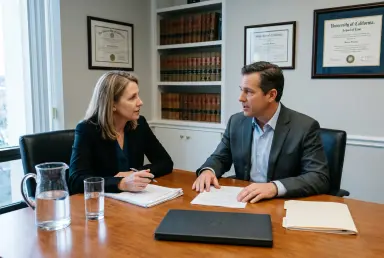
Mastering Legal Client Relationships: Boost Referrals & Repeat Business

Are You an Attorney?
Join AttorneyReview, claim your free profile, and connect with clients in your practice area.
Claim Your Profile
For attorneys, a thriving practice isn't just about winning cases; it's about building lasting relationships. In today's competitive legal landscape, client relationship management (CRM) is no longer a luxury but a strategic imperative. Strong client relationships are the bedrock of repeat business and, more importantly, a steady stream of high-quality referrals – the lifeblood of any growing law firm. This isn't about mere politeness; it's about creating an experience that instills trust, demonstrates value, and leaves clients feeling genuinely cared for and understood. When clients feel valued, they become advocates for your firm, sharing their positive experiences with others.
Many attorneys focus intensely on legal strategy, often overlooking the equally crucial aspects of client experience. However, neglecting CRM can lead to missed opportunities for growth, client churn, and a stagnant referral pipeline. This comprehensive guide will explore the best practices for legal client relationship management, providing actionable insights to help you cultivate client loyalty, maximize referrals, and secure repeat business, ultimately positioning your practice for sustainable success. Let's delve into how you can transform your client interactions into your most powerful marketing tool.
The Foundation of Strong Client Relationships
Building robust client relationships starts with a deliberate, client-centric approach from the very first interaction. It's about setting the stage for trust and transparency.
Proactive Communication is Key
Silence is often perceived as inaction, especially by anxious clients. Beyond being a best practice, proactive communication is a professional requirement under ABA Model Rule 1.4, which mandates that attorneys keep clients reasonably informed about the status of their cases. This means regular updates, even when there's no major development. A brief email or call stating, "We're still waiting on X, but I wanted to touch base and let you know we haven't forgotten about your case," can significantly alleviate client anxiety.
Example: Attorney A schedules a brief bi-weekly check-in call with clients, regardless of case activity. Attorney B only calls when there's significant news. Clients of Attorney A report feeling more informed and less stressed, leading to higher satisfaction and willingness to refer.
Setting Clear Expectations from Day One
Misaligned expectations are a primary source of client dissatisfaction. From the initial consultation, clearly articulate your process, timelines (with caveats for legal complexities), fee structure, and what clients can expect from your firm – and what you expect from them. This includes outlining communication protocols: how often you'll communicate, through what channels, and what types of questions are best suited for which contact method.
Case Study: A family law firm implemented a detailed client onboarding packet that explained every step of the divorce process, potential delays, and cost breakdowns. This upfront transparency reduced client calls asking about "what happens next" by 40% and improved initial client satisfaction scores.
Grow your practice...
Are You an Attorney?
Join AttorneyReview, claim your free profile, and connect with clients in your practice area.
Empathy and Understanding Client Needs
Clients come to attorneys often during stressful, vulnerable, or complex times in their lives. Demonstrating empathy – truly listening and acknowledging their emotional state – can profoundly impact their experience. Understand not just their legal problem, but also their underlying concerns, fears, and goals. Tailor your communication and service delivery to resonate with their individual needs.
Tip: Ask open-ended questions that encourage clients to share their broader situation, not just the legal facts. Showing you care about their holistic well-being, even tangentially, builds immense goodwill.
Delivering Exceptional Service Beyond Legal Expertise
While legal acumen is non-negotiable, it's the 'how' you deliver that expertise that often differentiates a good firm from a truly exceptional one.
Streamlining Processes for Client Convenience
In an age of instant gratification, archaic legal processes can frustrate clients. Look for ways to simplify and streamline interactions. Can intake forms be filled out online? Can documents be shared securely via a client portal? Is scheduling appointments easy? The less friction clients encounter, the better their experience.
Example: A personal injury firm implemented an online client portal where clients could securely upload documents, track case milestones, and view billing statements. This not only improved client convenience but also reduced administrative burden on staff.
Personalization and Thoughtful Gestures
Clients appreciate feeling like more than just a case number. Personal touches can go a long way. Remembering personal details shared during conversations (e.g., a child's name, a hobby), sending a handwritten thank-you note after a successful resolution, or even a small holiday card can create a memorable and positive impression. These gestures reinforce that you see them as individuals.
Educating Clients and Managing Stress
Legal issues are often opaque to laypersons. Take the time to explain legal concepts in plain language, empowering clients to understand their situation better. Help manage their stress by providing realistic expectations, outlining potential outcomes, and guiding them through the emotional aspects of their case when appropriate. A well-informed client is often a calmer, more satisfied client.
Practical Advice: Create simple FAQs or explanatory handouts for common legal procedures to complement your one-on-one discussions.
Cultivating Referrals and Repeat Business
The ultimate goal of superior CRM is to foster a loyal client base that not only returns for future needs but actively champions your firm to others.
The Power of Post-Engagement Follow-Up
The client relationship doesn't end when the case closes. A thoughtful follow-up after the legal matter is resolved can cement goodwill. This could be a check-in a few weeks or months later to see how they're doing, or an email sharing relevant legal updates that might impact them. This demonstrates ongoing care and keeps your firm top-of-mind.
Example: A real estate attorney sends an annual email to past clients with an update on local property tax changes or new zoning laws, offering quick consultations for questions. This thoughtful outreach often leads to repeat business when clients need new property services.
Encouraging Testimonials and Online Reviews
Positive reviews are modern-day word-of-mouth. Don't be shy about politely asking satisfied clients for testimonials or to leave reviews on platforms like Google, Avvo, or AttorneyReview. Frame it as helping other potential clients make informed decisions. Make the process easy for them by providing direct links or simple instructions. Ethical guidelines regarding solicitations must always be observed.
Networking and Professional Relationships
While internal client referrals are gold, external professional referrals are equally vital. Build strong relationships with attorneys in complementary practice areas, financial advisors, real estate agents, and other professionals who frequently encounter individuals in need of legal services. A robust professional network can be a significant source of high-quality referrals. Attending industry events and offering valuable insights can solidify these connections.
Leveraging Technology for Enhanced CRM
Technology, when applied thoughtfully, can significantly enhance your CRM efforts, making them more efficient and effective.
CRM Software for Law Firms
Dedicated legal CRM software can revolutionize how you manage client data, communications, and follow-ups. These platforms allow you to track client interactions, set reminders for follow-ups, segment client lists for targeted communications, and gain insights into client lifecycles. This moves you from reactive to proactive client management.
Communication Tools and Client Portals
Beyond full CRM suites, consider secure client portals for document sharing and communication, video conferencing for remote consultations, and even automated email sequences for client onboarding or post-case follow-ups. These tools ensure consistent communication, improve client accessibility, and demonstrate your firm's commitment to modern service delivery. Always prioritize tools that offer robust security, as ABA Model Rule 1.6(c) requires attorneys to make reasonable efforts to prevent the unauthorized disclosure of client data.
How AttorneyReview Helps
At AttorneyReview.com, we understand the critical role client perception plays in practice growth. We empower attorneys to showcase their commitment to excellent client relationships through a verified profile where past clients can share their experiences. By providing a platform for genuine feedback and testimonials, AttorneyReview helps you build trust and transparency, essential elements of strong CRM. Our directory connects you with potential clients actively seeking legal representation, allowing you to demonstrate your expertise and client-centric approach before the first consultation. A strong presence on AttorneyReview reinforces your firm's reputation for exceptional service, directly contributing to your referral pipeline and repeat business. Join AttorneyReview today and discover how we can elevate your client relationship management strategy. For more insights on growing your practice, visit our resources For Attorneys.
Conclusion
Mastering legal client relationship management is not a one-time task but an ongoing commitment to excellence. By prioritizing proactive communication, delivering service that goes beyond expectations, and strategically nurturing your client base, you lay the groundwork for a practice built on loyalty and trust. This dedication not only enhances individual client experiences but also organically fuels a powerful cycle of referrals and repeat business, ensuring the long-term vitality and success of your law firm. Invest in your client relationships, and watch your practice thrive.
Next Steps for Your Practice:
1. **Assess Your Current Strategy:** Review your existing client communication and follow-up processes. Identify areas for immediate improvement.
2. **Implement One New Tactic:** Choose one CRM best practice discussed above – perhaps proactive check-ins or a client feedback mechanism – and integrate it into your firm's routine.
3. **Explore Technology Solutions:** Research legal CRM software or client portal options that fit your firm's size and needs.
4. **Optimize Your Online Presence:** Ensure your firm's online profiles, particularly on review platforms, accurately reflect your commitment to client satisfaction.
Are You an Attorney?
Join AttorneyReview, claim your free profile, and connect with clients in your practice area.
Claim Your Profile