
Is Your Smart Home Spying on You? The Alarming Legal Implications of AI in Everyday Devices

Need a Civil Litigation Attorney?
Get matched with pre-screened attorneys in your area. Free to use, no obligation.
Get Matched Free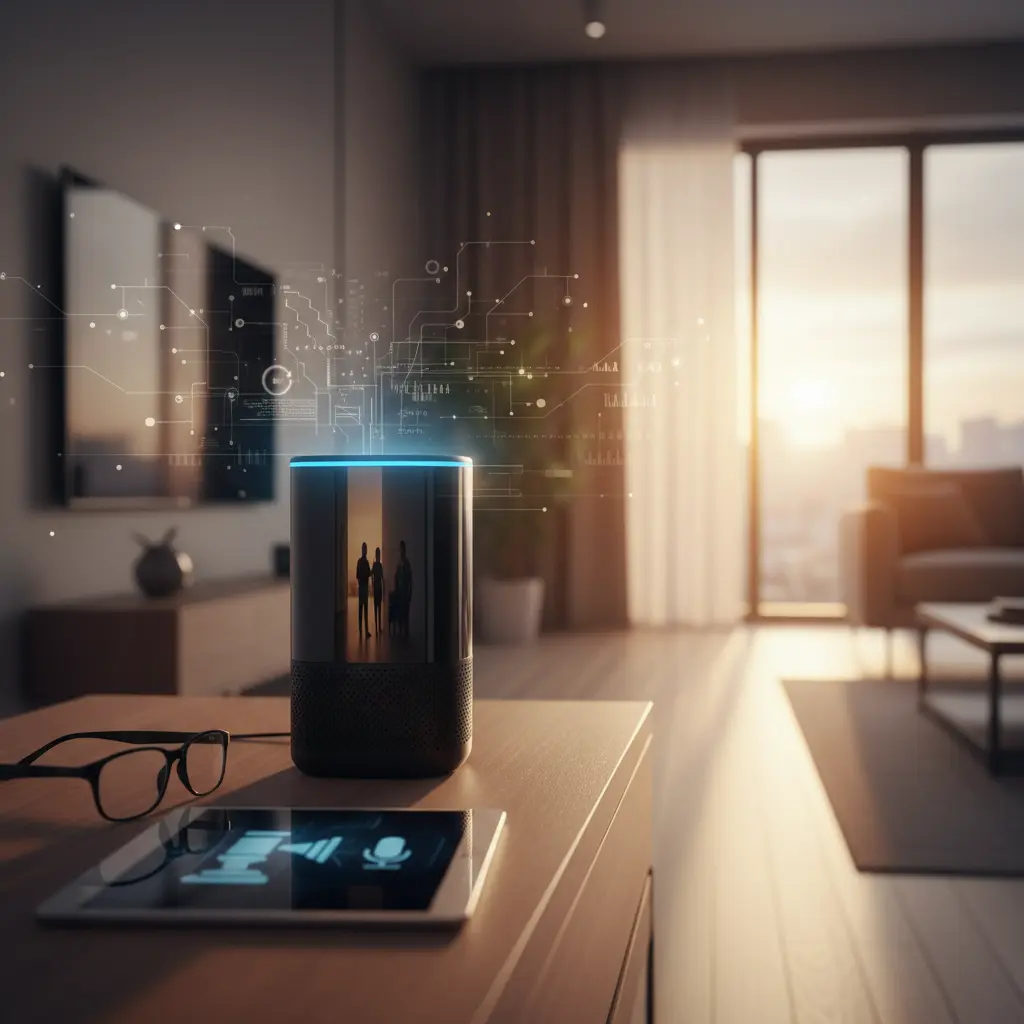
Is Your Smart Home Spying on You? The Alarming Legal Implications of AI in Everyday Devices
Hello everyone, Joy Coleman, Esq. here, bringing you a critical update on a topic that’s increasingly impacting our daily lives: Artificial Intelligence (AI) in smart home devices. As we approach the end of 2025, the integration of AI into everything from our thermostats to our refrigerators has become commonplace. While these advancements offer convenience, they also come with significant legal and privacy implications that every consumer needs to understand.
The Rise of the Always-Listening Home
Think about your smart speaker, your doorbell camera, or even your smart TV. Many of these devices are equipped with microphones and cameras, designed to make your life easier. But have you ever stopped to consider what happens to the data they collect? Recent reports and ongoing legal cases are shedding light on how persistently these devices are listening and watching, often without our explicit and fully informed consent. This isn't just about targeted advertisements anymore; it's about the potential for your private conversations and activities to be recorded, stored, and potentially accessed by third parties.
The Data Goldmine: Who Owns Your Information?
When you agree to those lengthy terms and conditions (that most of us never fully read), you're often granting companies extensive rights to your data. This data, which includes everything from your voice commands to your viewing habits, is incredibly valuable. Companies use it to improve their AI algorithms, develop new products, and yes, sometimes share it with partners. But what are the legal boundaries for this data collection and usage? This is where privacy law comes into play, and it's becoming increasingly complex.
Many consumers are unaware of the extent to which their data is being collected and how it might be used. For a comprehensive look at your digital rights, Nolo offers excellent resources on privacy law and consumer rights.
Legal Challenges and Consumer Rights
The legal landscape surrounding AI and smart home devices is still evolving. Lawsuits are emerging against tech giants concerning unauthorized data collection, security breaches, and deceptive practices. Consumers are beginning to fight back, arguing that their fundamental right to privacy is being violated.
Understanding Your Privacy Rights
While federal laws like the Electronic Communications Privacy Act (ECPA) offer some protections, they often struggle to keep pace with rapid technological advancements. State laws, such as the California Consumer Privacy Act (CCPA), are leading the charge in granting consumers more control over their personal data. These laws empower you to request access to your data, demand its deletion, and opt-out of its sale.
If you believe your privacy rights have been violated, it's crucial to understand your options. An attorney specializing in civil litigation can help you navigate these complex issues. Find a civil litigation attorney in Los Angeles who can advise you on your rights regarding data privacy.
Practical Steps to Protect Your Privacy
So, what can you do to safeguard your privacy in an increasingly interconnected world?
- Read the Privacy Policies (Seriously!): Before setting up any new smart device, take the time to read its privacy policy. Understand what data it collects, how it's used, and whether it's shared with third parties.
- Adjust Privacy Settings: Most smart devices offer privacy settings that you can customize. Turn off microphones or cameras when not in use, limit data sharing, and disable personalized ads.
- Be Mindful of Voice Commands: Remember that voice assistants record your commands to improve their services. Be cautious about discussing sensitive information in their presence.
- Secure Your Network: Use strong, unique passwords for your Wi-Fi network and smart devices. Enable two-factor authentication whenever possible to prevent unauthorized access.
- Consider Data Minimization: Only allow devices access to the data they absolutely need to function. If a smart light bulb asks for access to your contacts, that's a red flag.
The Future of AI and Legal Protections
The legal community is actively working to establish clearer guidelines and regulations for AI and data privacy. We can expect to see more legislation in the coming years aimed at strengthening consumer protections and holding tech companies accountable. This is a rapidly evolving area of law, and staying informed is your best defense.
Businesses, too, need to be aware of their obligations. For assistance with drafting legally sound privacy policies or understanding data compliance, LegalZoom can provide valuable resources for small businesses and entrepreneurs.
Seeking Legal Counsel
If you have concerns about the privacy of your smart home devices, or if you believe your personal data has been misused, don't hesitate to seek legal advice. An experienced attorney can assess your situation, explain your rights, and help you determine the best course of action.
"In the digital age, privacy is not just a preference; it's a fundamental right that demands vigilant protection." - Joy Coleman, Esq.
For guidance on consumer protection and privacy issues, an attorney specializing in consumer law can provide invaluable assistance. Find a civil litigation attorney in Chicago to discuss your data privacy concerns, or connect with a civil litigation attorney in Houston for local expertise. Our platform can connect you with qualified legal professionals in your area who can help clarify your rights and options.
Stay safe and informed!
Need a Civil Litigation Attorney?
Get matched with pre-screened attorneys in your area. Free to use, no obligation.
Get Matched Free