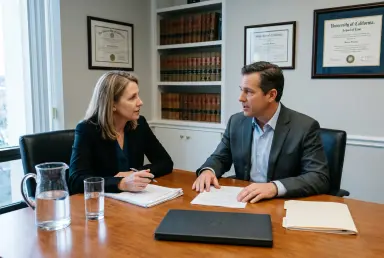
Boost Law Firm Referrals: Anxiety-Reducing Client Experience Strategies

Are You an Attorney?
Join AttorneyReview, claim your free profile, and connect with clients in your practice area.
Claim Your Profile
For attorneys, a thriving practice often hinges on the power of referrals. However, it is essential to ensure that all referral activities comply with state-specific ethics rules regarding fee-splitting and 'referral fees' to non-attorneys. Yet, many law firms inadvertently create client experiences that, while legally sound, foster underlying anxiety. This anxiety doesn't just impact client satisfaction; it directly hinders their willingness and enthusiasm to refer others. As legal professionals dedicated to solving problems, understanding and mitigating client anxiety isn't just good service – it's a strategic imperative for practice growth.
This article will delve into actionable client experience strategies designed to minimize client anxiety and, in turn, significantly boost your law firm's referral rates. We'll explore how proactive communication, empathetic engagement, and streamlined processes can transform a potentially stressful legal journey into a positive, referable experience.
The Core Problem: Client Anxiety and Its Impact on Referrals
Legal issues, by their very nature, are often emotionally charged and financially significant. Clients typically seek legal counsel during periods of stress, uncertainty, or vulnerability. This inherent anxiety is a fundamental aspect of the client journey that attorneys must acknowledge and address.
Understanding the Anxious Client Journey
Clients enter your office often feeling overwhelmed. They face complex legal jargon, unfamiliar processes, and uncertain outcomes. Their anxiety can stem from:
- Lack of Control: Feeling powerless over their situation.
- Uncertainty: Not knowing what to expect, when, or what the costs will be.
- Fear of Negative Outcomes: Worrying about the implications of their legal matter.
- Communication Gaps: Feeling out of the loop or unable to understand updates.
Consider a client navigating a divorce. Beyond the legal complexities, they're likely grappling with emotional turmoil, financial strain, and concerns about their children. If their attorney adds to this by being unresponsive, unclear about fees, or vague about timelines, the client's anxiety skyrockets.
Grow your practice...
Are You an Attorney?
Join AttorneyReview, claim your free profile, and connect with clients in your practice area.
The Direct Link Between Anxiety and Referral Hesitation
An anxious client is rarely an enthusiastic referrer. Even if the legal outcome is favorable, a poor client experience rooted in anxiety can overshadow success. Clients are less likely to recommend a firm if they recall feeling:
- Confused or uninformed.
- Ignored or undervalued.
- Stressed by the process itself, not just the legal issue.
- Uncertain about costs or next steps.
Conversely, a client who feels heard, informed, and supported, even during a challenging legal battle, is far more likely to become a vocal advocate for your firm. The American Bar Association emphasizes the critical role of client satisfaction in building a sustainable practice, noting that "satisfied clients are a firm's best marketing asset." (Source: American Bar Association)
Pillars of an Anxiety-Minimizing Client Experience
Proactive Communication: The Antidote to Uncertainty
One of the most potent tools against client anxiety is consistent, clear, and proactive communication. Don't wait for clients to call you; reach out to them. This involves:
- Regular Updates: Even if there's no new development, a quick email or call stating "No new news, but we're still monitoring X and Y" can significantly reduce anxiety.
- Preferred Communication Channels: Ask clients how they prefer to receive updates (email, phone, client portal) and respect their preferences.
- Translating Legalese: Always explain complex legal terms and processes in plain language.
Practical Example: A personal injury firm implemented a weekly automated email update system that went out every Friday. Even if it just stated, "We are awaiting a response from the insurance company, and will update you immediately upon receipt," client calls decreased by 30%, and satisfaction scores improved because clients felt consistently informed.
Setting Clear Expectations: Managing the Unknown
Uncertainty fuels anxiety. From the outset, set clear expectations about the legal process, timelines, potential outcomes, and, crucially, fees.
- Transparent Fee Structures: Clearly explain how you bill, what costs are included, and what might be extra. Provide written fee agreements.
- Process Mapping: Walk clients through the likely stages of their case, explaining what happens at each step and their role.
- Realistic Timelines: Be honest about how long things might take, and explain why delays can occur.
- Outcome Possibilities: Discuss best, worst, and most likely case scenarios. Be mindful that many state bar ethics rules, such as Florida Bar Rule 4-7.13, strictly prohibit communications that create unjustified expectations or guarantee specific legal results.
Case Study: A family law attorney found that providing clients with a "Client Journey Roadmap" document at the initial consultation, outlining each phase of a divorce and anticipated timeframes, drastically reduced follow-up calls regarding "what happens next." This clarity built immediate trust and reduced stress.
Empathy and Active Listening: Validating Client Concerns
Clients want to feel heard and understood. Empathetic engagement isn't just about being "nice"; it's about active listening and validating their emotional state.
- Initial Intake: Dedicate sufficient time to truly listen to their story, not just gather facts. Ask open-ended questions.
- Acknowledge Emotions: Phrases like, "I understand this must be incredibly stressful for you" can go a long way.
- Regular Check-ins: Beyond legal updates, periodically check in on their well-being, especially during emotionally taxing cases.
Practical Example: During a high-stakes litigation, an attorney scheduled a 15-minute "check-in call" every other week with the client, specifically to discuss their stress levels and answer any non-legal concerns, independent of case progress. This small gesture significantly strengthened the attorney-client bond.
Streamlining Processes: Reducing Friction Points
Administrative burdens and inefficient processes can add unnecessary anxiety. Leverage technology and smart workflows to make the client's life easier.
- Client Portals: Secure online portals allow clients to upload documents, view case updates, and communicate with your team at their convenience.
- Digital Signatures: Reduce the need for in-person meetings for document signing.
- Automated Reminders: Use technology for court dates, deadlines, and document submissions.
- Clear Billing Statements: Provide easy-to-understand invoices that clearly detail services rendered.
The 2023 Clio Legal Trends Report consistently highlights that clients value convenience and digital access, with firms leveraging technology experiencing higher client satisfaction. (Source: Clio Legal Trends Report 2023)
Post-Case Engagement: Nurturing Long-Term Relationships
The client experience doesn't end when the case closes. Post-case engagement can solidify positive feelings and lay the groundwork for future referrals.
- Follow-Up: A quick call or email a few weeks after the case concludes to check in and offer future assistance.
- Feedback Request: Ask for honest feedback on their experience, showing you value their input.
- Client Appreciation: Acknowledge their business and the trust they placed in your firm.
Measuring Success: Tracking Client Satisfaction and Referrals
Implementing Feedback Mechanisms
To truly understand and improve client experience, you need structured feedback:
- Post-Engagement Surveys: Short, anonymous surveys can provide valuable insights.
- Net Promoter Score (NPS): A simple "How likely are you to recommend us?" question (on a scale of 0-10) can gauge overall client loyalty.
- Direct Conversations: Solicit feedback during closing meetings.
Monitoring Referral Sources
Consistently ask new clients how they heard about your firm. This data is invaluable for understanding which client experiences are driving referrals and where to focus your marketing efforts.
How AttorneyReview Helps Attorneys Grow Their Practice
At AttorneyReview.com, we understand the challenges attorneys face in building a thriving practice while delivering exceptional client experiences. Our platform empowers legal professionals to showcase their expertise and genuine commitment to client satisfaction. By providing a transparent space for client reviews and attorney profiles, we help you build credibility and trust even before a client steps into your office. We highlight what makes your firm unique, helping potential clients connect with the right legal counsel. For Attorneys, we offer tools to manage your online reputation and attract clients who value a client-centric approach. Join AttorneyReview today to amplify your firm's positive client experiences and elevate your referral network.
Conclusion: Cultivating a Referral-Ready Practice
Minimizing client anxiety isn't merely a customer service initiative; it's a foundational element of a robust law firm growth strategy. By consciously implementing proactive communication, setting clear expectations, practicing empathy, and streamlining your processes, you create an environment where clients feel supported, understood, and confident. These positive experiences not only lead to higher satisfaction but transform clients into enthusiastic advocates, eager to refer your services to their networks.
Next Steps for Attorneys:
- Audit Your Communication: Review your current client communication protocols. Are they proactive, clear, and consistent?
- Map the Client Journey: Identify all client touchpoints and brainstorm ways to reduce friction and anxiety at each stage.
- Solicit Feedback: Implement a simple feedback mechanism to understand your clients' current experience and identify areas for improvement.
- Leverage Technology: Explore tools like client portals or CRM systems to enhance efficiency and communication.
Are You an Attorney?
Join AttorneyReview, claim your free profile, and connect with clients in your practice area.
Claim Your Profile