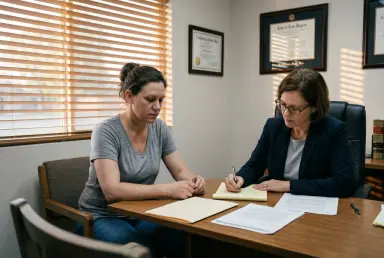
When Divorce Mediation Fails in Texas: Next Steps for Your Family Law Case

Need a Family Law Attorney?
Get matched with pre-screened attorneys in your area. Free to use, no obligation.
Get Matched Free
Divorce is a challenging journey, and for many Texas families, mediation offers a path to amicable resolution. However, when divorce mediation fails, it can feel like a setback, leaving you wondering what comes next. This guide explores the subsequent steps in the Texas family law system, providing clarity and emphasizing the well-being of your children during this uncertain time. Understanding these processes can help alleviate some of the stress and empower you to make informed decisions for your family's future.
Understanding the Role of Mediation in Texas Divorce
In Texas, courts often encourage or even mandate mediation in divorce cases, governed by Texas Civil Practice and Remedies Code Title 7, Chapter 154. However, under Texas Family Code § 6.602 and § 153.0071, a court may not refer a case to mediation if a party objects and provides evidence of family violence committed against them by the other party.
Mediation is a confidential process where a neutral third party, the mediator, helps divorcing spouses communicate and negotiate a settlement. The goal is to reach a mutually agreeable resolution on issues such as property division, child custody, and support, without the need for a contested trial. When successful, a Mediated Settlement Agreement (MSA) that meets the requirements of Texas Family Code § 6.602 is binding on the parties and is generally irrevocable, meaning the court is required to enter a judgment based on that agreement. Mediation can save time, money, and emotional strain, allowing families to move forward with greater control over their outcomes.
Why Mediation Might Not Succeed
Despite its benefits, mediation doesn't always lead to a settlement. Several factors can contribute to its failure:
- Unrealistic Expectations: One or both parties may have expectations that are not aligned with legal realities or the other party's willingness to compromise.
- Poor Communication: Deep-seated animosity or an inability to communicate effectively can hinder productive negotiations.
- Hidden Assets or Debts: If one party suspects the other is not fully disclosing financial information, trust can erode, making agreement difficult.
- Disagreement on Child-Related Issues: Custody, visitation, and child support are often the most contentious issues, and strong disagreements can stall progress.
- Emotional Barriers: The emotional intensity of divorce can sometimes prevent parties from making rational decisions.
The Path Forward: What Happens After Failed Mediation
If your divorce mediation concluded without a full agreement, it's important to understand that your case is not over. It simply means the court will become more involved in resolving the outstanding issues.
Returning to Court and Setting a Trial Date
When mediation fails, your attorney will likely inform the court that an impasse was reached. The court will then typically schedule the case for a contested hearing or trial. This means a judge will ultimately make decisions on all unresolved issues, including:
- Property Division: Texas is a community property state. The court will divide your community estate in a "just and right" manner, as outlined in Texas Family Code Chapter 7. This doesn't necessarily mean a 50/50 split.
- Child Custody (Conservatorship): The judge will determine who has the right to make decisions for the children, primary residence, and visitation schedules. The court's primary focus will always be the "best interest of the child," a standard reiterated throughout the Texas Family Code, particularly in chapters related to conservatorship and possession of children.
- Child Support: The court will issue orders for child support based on state guidelines, considering factors like income and the number of children, as detailed in Texas Family Code Chapter 154.
- Spousal Maintenance (Alimony): While less common than child support, a judge may order spousal maintenance under certain circumstances, as defined by Texas Family Code Chapter 8.
Pre-Trial Conferences and Discovery
Leading up to trial, there may be further pre-trial conferences where the judge tries to narrow down the issues or encourage further negotiation. The discovery process, where both sides exchange information and evidence, will likely continue or intensify. This can involve interrogatories (written questions), requests for production (demands for documents), and depositions (out-of-court sworn testimonies). Your attorney will use these tools to gather information necessary to present your case effectively to the judge.
Last-Minute Settlement Opportunities
Even with a trial date set, settlement discussions can occur at any time. Many cases settle on the courthouse steps or even during trial. Your attorney will continue to explore opportunities for resolution, keeping you informed of any offers or potential compromises.
Preparing for a Contested Divorce Trial
If a trial becomes inevitable, preparation is key. This phase can be demanding, but a well-prepared legal team can make a significant difference.
Gathering Evidence and Documentation
You will need to compile all relevant financial documents, including bank statements, tax returns, pay stubs, retirement account statements, and property deeds. For child-related issues, documentation that supports your position regarding the children's best interest, such as school records, medical reports, or communications with the other parent, will be crucial.
Testimony and Witnesses
You will likely be required to testify in court. Your attorney will prepare you for this process, explaining what to expect during direct and cross-examination. Additionally, witnesses, such as financial experts, child psychologists, or even family members, may be called to provide testimony that supports your claims.
Courtroom Procedures and Etiquette
Your attorney will guide you through courtroom procedures and etiquette. Understanding how a trial proceeds, from opening statements to closing arguments, can help you feel more comfortable and confident. Dress appropriately, be punctual, and always address the judge respectfully.
The Importance of an Experienced Family Law Attorney
Navigating a contested divorce in Texas demands the guidance of a knowledgeable and compassionate family law attorney. When mediation fails, your legal representation becomes even more critical.
What to Look for in a Family Law Attorney
When searching for a legal professional to represent you after failed mediation, consider the following:
- Experience with Contested Divorces: Ensure the attorney has a strong track record of successfully litigating divorces in Texas courts. Ask about their experience with cases similar to yours.
- Knowledge of Texas Family Law: A thorough understanding of Texas statutes, particularly those concerning property division, child custody, and support, is paramount.
- Communication Style: Choose an attorney who communicates clearly and regularly, keeping you informed about the progress of your case and explaining complex legal concepts in an understandable way.
- Child-Centered Approach: Given the urgent emotional state and the focus on child welfare, an attorney who prioritizes the best interests of your children will be invaluable. They should advocate for solutions that minimize disruption and promote stability for your kids.
- Reputation and References: Look for attorneys with positive reviews and strong professional reputations within the legal community. Don't hesitate to ask for references or review testimonials.
- Comfort and Trust: It's essential that you feel comfortable and can trust your attorney, as you will be sharing sensitive personal and financial information.
If you're facing a contested divorce, understanding your options and having strong legal representation can make a significant difference. Explore Family Law Attorneys in your area to find someone who can help.
Focusing on Your Children's Well-being
Throughout the divorce process, and especially after failed mediation, it's vital to prioritize your children's emotional well-being. Divorce is often hardest on children, and parental conflict can exacerbate their stress.
Minimizing Conflict and Co-Parenting Strategies
Despite disagreements with your co-parent, strive to minimize conflict in front of your children. Maintain open lines of communication regarding their needs and schedules. Even if formal mediation didn't work out, you might still consider co-parenting counseling to develop effective communication strategies and a unified approach to raising your children.
Seeking Professional Support for Children
Consider whether your children could benefit from speaking with a therapist or counselor. A neutral third party can provide them with a safe space to express their feelings and cope with the changes in their family structure.
Final Thoughts: Moving Forward with Resilience
When divorce mediation fails in Texas, it can be a disheartening moment. However, it is not the end of your legal journey. With the right legal counsel and a focus on your family's long-term well-being, especially that of your children, you can navigate the next steps with resilience and purpose. Remember to seek support for yourself and your children during this challenging time. To get started, Get matched with a qualified attorney who understands the intricacies of Texas family law and can advocate for your best interests.
Disclaimer: This blog post provides general information about Texas family law and is not intended as legal advice. The legal landscape is complex and constantly evolving. For advice tailored to your specific situation, please consult with a qualified attorney.
Need a Family Law Attorney?
Get matched with pre-screened attorneys in your area. Free to use, no obligation.
Get Matched Free