
DUI Checkpoints: Your Rights and What to Expect

Need a Criminal Defense Attorney?
Get matched with pre-screened attorneys in your area. Free to use, no obligation.
Get Matched Free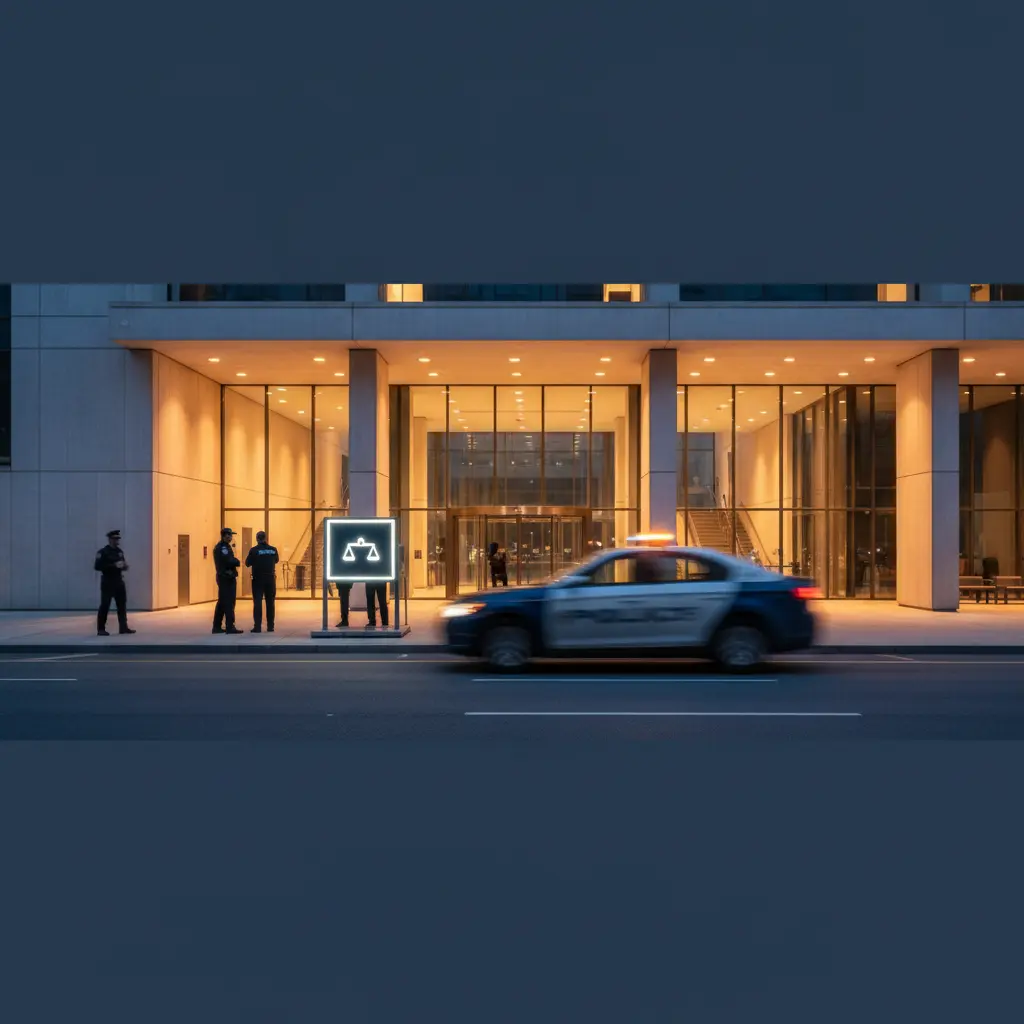
DUI checkpoints, also known as sobriety checkpoints, are a common law enforcement tactic used to deter impaired driving and apprehend individuals operating vehicles under the influence of alcohol or drugs. While often perceived as a challenge to individual liberties, these checkpoints are generally deemed constitutional by the U.S. Supreme Court, provided they adhere to specific guidelines designed to protect public safety and minimize intrusion.
For many drivers, encountering a DUI checkpoint can be a source of anxiety. Knowing your rights and understanding the procedures involved can help individuals navigate these situations more confidently. This article offers general educational information about DUI checkpoints, what legal professionals often advise, and how to approach these encounters.
What Are DUI Checkpoints and How Do They Work?
DUI checkpoints are predetermined locations where law enforcement officers stop vehicles to briefly assess drivers for signs of impairment. Unlike routine traffic stops, which require probable cause for an individual stop, checkpoints allow officers to stop vehicles without prior suspicion of a specific driver's wrongdoing. However, strict protocols are typically in place to ensure these operations are conducted fairly and constitutionally. These protocols often include:
- Advance Public Notice: In many jurisdictions, law enforcement agencies are required to announce the general location or areas where checkpoints will be held, often through media advisories.
- Neutral Formula: Vehicles are typically stopped using a neutral, non-discriminatory formula, such as every third car or every fifth car, rather than based on an officer's subjective judgment.
- Safety Precautions: Checkpoints are typically well-lit, clearly marked, and staffed with visible law enforcement personnel to ensure the safety of both officers and motorists.
- Limited Duration: Stops are generally brief, focusing on quick observation for signs of impairment. If an officer suspects impairment, they may direct the driver to a secondary screening area for further evaluation.
Your Rights at a DUI Checkpoint
Understanding your fundamental rights is crucial when encountering a DUI checkpoint. While laws vary by state, some general principles apply across the United States. It's important to remember that this information is for educational purposes only, and consulting with a legal professional can clarify your specific options if you find yourself in this situation.
Can You Refuse to Participate in a Sobriety Test?
In many states, you can refuse to perform field sobriety tests (FSTs) such as the walk-and-turn or one-leg stand. These tests are voluntary. However, refusal may lead to different consequences depending on your state's "implied consent" laws, especially regarding chemical tests (breath, blood, or urine). Implied consent laws typically state that by driving on public roads, you have implicitly consented to chemical tests if arrested for DUI. Refusal often carries penalties, such as automatic license suspension, even if you are not ultimately convicted of DUI.
The Right to Remain Silent
The Fifth Amendment gives you the right to remain silent. You are generally not required to answer questions beyond providing your driver's license, registration, and proof of insurance. Providing identifying information is usually a legal requirement. If an officer asks you questions that could incriminate you, you have the right to decline to answer and should inform the officer that you wish to remain silent.
Can You Refuse a Breathalyzer Test at a Checkpoint?
At a checkpoint, officers may ask you to submit to a preliminary alcohol screening (PAS) device, also known as a portable breathalyzer. In many jurisdictions, these are voluntary before an arrest is made. However, if an officer has probable cause to believe you are impaired and places you under arrest, refusing a state-administered chemical test (such as a more accurate breathalyzer at the station or a blood test) after arrest can trigger implied consent penalties, often including immediate license suspension.
What to Do if You Encounter a DUI Checkpoint
Approaching a DUI checkpoint with a clear understanding of what to expect can reduce stress and help ensure you respond appropriately. Here are some options individuals often consider:
- Be Prepared: Have your driver's license, vehicle registration, and proof of insurance readily accessible.
- Follow Instructions: Comply with an officer's lawful requests, such as rolling down your window and presenting your documents.
- Be Polite and Calm: Maintain a respectful demeanor. Even if you disagree with the stop, arguing with officers at the scene is generally not advisable.
- Limit Conversation: Provide only the information required by law. You are not obligated to answer questions about where you've been, where you're going, or if you've been drinking. You can politely state, "I prefer not to answer any questions without an attorney present."
- Record if Safe and Legal: In many states, you have the right to video record police in public, provided it doesn't interfere with their duties or create a safety hazard. Check local laws regarding recording.
- Know Your State's Implied Consent Laws: Be aware of the consequences of refusing chemical tests in your state. This knowledge can help you make an informed decision if faced with this request.
It's worth noting that some states (e.g., Michigan, Iowa, and Texas) have restrictions or effectively ban DUI checkpoints due to state constitutional interpretations.
The Importance of Legal Counsel for DUI Charges
If you are arrested for DUI at a checkpoint or in any other situation, the consequences can be severe, including fines, license suspension, increased insurance rates, and even jail time. Navigating the legal system in these cases can be complex, involving intricate laws, evidence collection, and court procedures.
Consulting with an experienced criminal defense attorney right away can be invaluable. A knowledgeable legal professional can:
- Evaluate the circumstances of your stop and arrest.
- Identify any procedural errors or violations of your rights.
- Explain the charges against you and the potential penalties.
- Advise on whether you may have a defense strategy.
- Represent you in court and negotiate with prosecutors.
Every case depends on specific facts and circumstances, and a qualified attorney can provide personalized guidance. Explore options and get matched with a qualified attorney to discuss your situation confidentially. You can also find a Criminal Defense attorney in Los Angeles or a city near you.
Conclusion: Navigating DUI Checkpoints with Confidence
DUI checkpoints are a reality on roadsacross the nation, aimed at enhancing safety by reducing impaired driving. Understanding your rights, remaining calm, and knowing how to respond appropriately are key in these situations. While you always have the right to consult with an attorney to clarify your options, awareness of general legal principles regarding DUI checkpoints can empower individuals.
Remember, individuals facing DUI charges may explore various legal avenues. Consulting with a licensed attorney can help clarify your options. Legal professionals can evaluate whether you may have a claim. Understanding your rights is the first step. Every case depends on specific facts and circumstances. Get matched with a qualified attorney today to understand your legal standing.
Need a Criminal Defense Attorney?
Get matched with pre-screened attorneys in your area. Free to use, no obligation.
Get Matched Free