Understanding Civil Litigation in 2025: Your Legal Rights Explained

Need a Civil Litigation Attorney?
Get matched with pre-screened attorneys in your area. Free to use, no obligation.
Get Matched Free
Welcome to 2025, a year where understanding your legal rights in civil litigation is more crucial than ever. As Joy Coleman, Esq., I'm here to demystify complex legal processes and empower you with the knowledge you need. Civil litigation encompasses a wide array of legal disputes between individuals or organizations, seeking remedies for harm or wrongdoing. Whether you're facing a contract dispute, personal injury claim, or property disagreement, the legal landscape is constantly evolving, making up-to-date information vital.
The goal of civil litigation is typically to resolve disputes peacefully and fairly, often through financial compensation or specific performance rather than criminal penalties. This article will guide you through the essentials of civil litigation, outlining key stages, common types of cases, and how you can effectively protect your interests.
What is Civil Litigation and How Does It Affect You in 2025?
Civil litigation refers to legal disputes that are resolved in a court of law but do not involve criminal charges. As we move further into 2025, various factors, including technological advancements and societal changes, continue to shape how these cases are handled. Understanding this field is paramount for anyone involved in a non-criminal legal conflict.
Common examples of civil litigation include:
- Personal Injury Claims: Accidents leading to physical or psychological harm.
- Contract Disputes: Breaches of agreements between parties.
- Property Disputes: Issues related to ownership, boundaries, or usage of real estate.
- Employment Disputes: Workplace issues like wrongful termination or discrimination.
- Family Law Matters: Divorce, child custody, and support (though sometimes a separate category, they often involve civil litigation principles).
It's important to recognize that civil litigation can be a lengthy and often emotionally taxing process. Having a clear understanding of the steps involved from the outset can significantly reduce stress and improve your chances of a favorable outcome. You can always get matched with a qualified attorney at AttorneyReview.com/get-matched.
Navigating the Civil Litigation Process: A Step-by-Step Guide
The civil litigation process typically follows a structured path, designed to ensure fairness and due process. While each case is unique, the general stages remain consistent:
Initial Consultation and Investigation
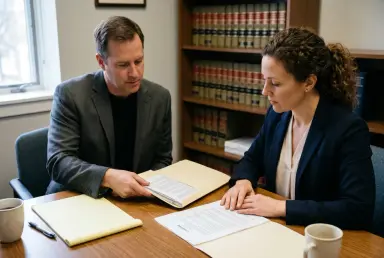
The first step involves consulting with an attorney to discuss the specifics of your case. During this phase, you'll provide all relevant details, documents, and evidence. Your attorney will then conduct an initial investigation to assess the merits of your claim or defense, identifying potential legal strategies and evaluating the likelihood of success. This is a critical stage for both parties to understand their positions before proceeding.
Pleadings and Discovery in Modern Civil Litigation
Once a decision to proceed is made, the formal legal process begins with "Pleadings." This involves the plaintiff filing a complaint that outlines the factual and legal basis of their claim, and the defendant responding with an answer, often including counterclaims or defenses. Following pleadings, the "Discovery" phase commences, where both sides exchange information and evidence. This can include:
- Interrogatories: Written questions answered under oath.
- Depositions: Out-of-court sworn testimony.
- Requests for Production: Demands for documents or other tangible evidence.
- Requests for Admission: Requests to admit or deny certain facts.
“Effective discovery is often the cornerstone of a successful civil litigation strategy, uncovering crucial details that can sway a case.” — Joy Coleman, Esq.
The discovery process in 2025 increasingly incorporates electronic discovery (e-discovery), reflecting the digital nature of much modern communication and record-keeping.
Mediation, Arbitration, and Settlement Negotiations
Before a case proceeds to trial, parties often engage in alternative dispute resolution (ADR) methods such as mediation or arbitration. These processes are designed to resolve disputes outside of court, saving time and money:
- Mediation: A neutral third party facilitates discussions and helps parties reach a mutually acceptable agreement. Mediators do not make decisions but guide negotiations.
- Arbitration: A neutral third party hears evidence and makes a binding decision, similar to a judge.
Settlement negotiations can occur at any stage of litigation. A significant number of civil cases are resolved through settlement rather than proceeding to a full trial. An attorney can help you understand the pros and cons of these and options available at Rocket Lawyer.
Trial and Appeals: Your Day in Court
If a settlement is not reached, the case proceeds to trial. During the trial, both sides present their arguments, evidence, and witness testimonies to a judge or jury. The court then issues a verdict or judgment. If either party is dissatisfied with the outcome, they may have the option to file an appeal to a higher court, seeking a review of the trial court's decision. This process can be intricate and typically focuses on legal errors rather than re-evaluating facts.
Protecting Your Interests: Why Legal Representation Matters in Civil Disputes
Navigating the complexities of civil litigation without legal representation can be daunting and detrimental to your case. An experienced civil litigation attorney provides invaluable support, from understanding the nuances of the law to advocating on your behalf in court. They will ensure all deadlines are met, evidence is properly presented, and your rights are aggressively protected.
Choosing the Right Civil Litigation Attorney in 2025
Selecting the right attorney is paramount. Consider factors such as their experience in cases similar to yours, their track record of success, and their communication style. Platforms like LegalZoom and Avvo can be excellent resources for finding qualified legal professionals. Moreover, our service helps you get matched with a qualified attorney in your area. For instance, you might want to Find a Civil Litigation attorney in New York to guide you through your legal journey.
Conclusion: Empowering Yourself in Civil Litigation
Conclusion: Navigating Civil Litigation Successfully
Understanding civil litigation is essential for anyone involved in a non-criminal legal dispute. The process, while complex, can be navigated successfully with the right preparation and legal guidance. By familiarizing yourself with the stages of litigation and recognizing the importance of professional legal support, you empower yourself to protect your rights effectively. Whether it's a personal injury claim or a contract disagreement, informed action is your best defense.
Facing a legal dispute? Don't go it alone. Get matched with a qualified civil litigation attorney today at AttorneyReview.com/get-matched to ensure your rights are protected and your case is handled with expertise.
Need a Civil Litigation Attorney?
Get matched with pre-screened attorneys in your area. Free to use, no obligation.
Get Matched Free