How to Stop Creditor Harassment: Questions to Ask a California Bankruptcy Lawyer

Need a Bankruptcy Attorney?
Get matched with pre-screened attorneys in your area. Free to use, no obligation.
Get Matched Free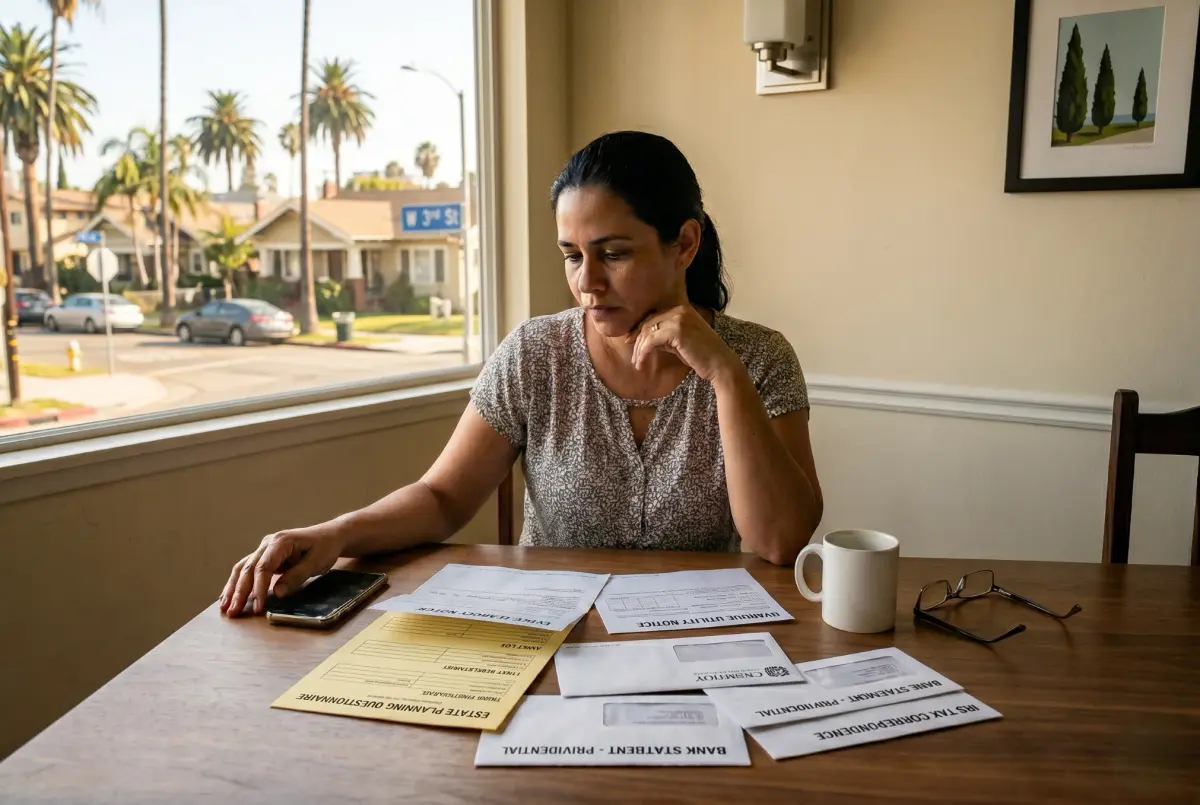
If creditor calls have taken over your life, the answer to your most urgent question is short: yes, the right California bankruptcy filing can stop the harassment within hours. The mechanism is called the automatic stay, and it kicks in the moment your petition is filed under 11 U.S.C. § 362. Knowing what to ask the attorney handling your case is what turns that legal protection into actual relief.
This guide walks through the questions a California debtor should bring to a first consultation — built around how the automatic stay actually works, what California-specific exemption choices mean for your property, what the process costs in 2026, and how to evaluate the attorney sitting across the table.
What You're Actually Facing in California
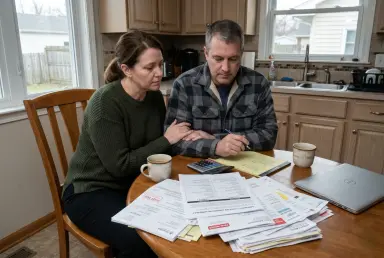
The pattern is familiar to anyone who has been on the receiving end: multiple calls a day, letters threatening lawsuits, contact at work, vague references to "consequences" if you don't pay immediately. Two laws already protect you before you ever consider bankruptcy. The federal Fair Debt Collection Practices Act (FDCPA), 15 U.S.C. §§ 1692 et seq., prohibits abusive, deceptive, and unfair debt collection practices by third-party collectors. California's Rosenthal Fair Debt Collection Practices Act goes further by also covering original creditors, not just third-party collectors.
The catch is enforcement. FDCPA and Rosenthal claims require you to document the violations, file a complaint or lawsuit, and wait — and even after the calls stop, the underlying debt remains, along with whatever the collection account is doing to your credit report. Bankruptcy works differently. A bankruptcy filing imposes an immediate, court-ordered halt on collection — not after a hearing, not after a complaint, but the instant the petition hits the docket.
The Automatic Stay: What Actually Happens When You File
The automatic stay is a federal injunction that takes effect at the moment of filing. According to the U.S. Bankruptcy Court for the Central District of California, the stay generally bars creditors from starting or continuing actions against you or your property. That includes phone calls, demand letters, wage garnishments, lawsuits, repossessions, foreclosure sales, and utility shutoffs.
If a creditor knows about the bankruptcy and continues collection, the consequences can be significant. Under 11 U.S.C. § 362(k), an individual injured by a willful stay violation can recover actual damages, attorney's fees, and — in appropriate circumstances — punitive damages.
The stay has limits worth asking your attorney about. It does not stop criminal proceedings, certain tax audits, or the collection of domestic support obligations like child support and alimony. If you've filed bankruptcy within the previous year, the stay may be limited to 30 days unless your attorney files a motion to extend it.
California Bankruptcy Exemptions: System 1 vs. System 2
Bankruptcy is federal law, but California modifies one piece that matters enormously to filers: which property you get to keep. California is one of the few states that lets you choose between two exemption systems, and you cannot mix them. The decision affects what survives the case.
System 1 (the "704 exemptions") — codified at California Code of Civil Procedure §§ 704.010 et seq. — is generally better for homeowners with significant equity. The homestead exemption under CCP § 704.730 protects between $300,000 and $600,000 of equity in a primary residence, with both ends of that range adjusted annually for inflation. Because of compounding CPI adjustments since 2022, the 2026 statutory cap is materially higher than the original $600,000 figure — your attorney should confirm the current adjusted amount and how your county's median home price affects your exemption.
System 2 (the "703.140(b) exemptions") — codified at CCP § 703.140(b) — tends to favor filers without much home equity. Its main advantage is a flexible "wildcard" exemption that can be applied to any asset of your choosing, including cash, bank balances, or property that wouldn't otherwise be covered.
The choice is one-time and binding for the case. An attorney who handles California bankruptcy filings should be able to model both options against your specific assets and tell you which protects more.
How the Process Works, Step by Step
The federal Bankruptcy Code lays out a sequence that holds true in every California district — Northern, Central, Eastern, and Southern. Knowing the timeline lets you ask sharper questions.
- Initial consultation. Your attorney evaluates your debts, income, and assets and recommends Chapter 7, Chapter 13, or another option.
- Credit counseling. Federal law requires a credit counseling course from an approved agency within the 180 days before filing, per 11 U.S.C. § 109(h).
- Petition preparation and filing. The attorney drafts the petition, schedules, and statements detailing your debts, assets, income, and expenses. The petition is filed electronically with the U.S. Bankruptcy Court for your district.
- Automatic stay. The stay takes effect the moment the petition is filed.
- Meeting of creditors (the 341 meeting). Held between 21 and 40 days after filing under 11 U.S.C. § 341. The bankruptcy trustee — and any creditors who choose to attend — question you under oath about your filing. Most meetings last 10 to 15 minutes.
- Debtor education course. A second financial management course is required before discharge.
- Discharge. In Chapter 7, the discharge typically issues 60 to 90 days after the 341 meeting. In Chapter 13, discharge follows completion of the three-to-five-year repayment plan.
What Bankruptcy Costs in California in 2026
Two cost categories sit alongside each other: court filing fees and attorney fees. The court fees are set federally and identical across all California districts.
| FEE COMPONENT | CHAPTER 7 | CHAPTER 13 |
| Court filing fee | $245 | $235 |
| Administrative fee | $78 | $78 |
| Trustee surcharge | $15 | — |
| Total | $338 | $313 |
These figures match the Bankruptcy Court Miscellaneous Fee Schedule in effect since December 2023. Chapter 7 filers whose income is below 150% of the federal poverty guideline can apply to have the filing fee waived using Official Form 103B. If you don't qualify for a waiver, you can request to pay in up to four installments over 120 days using Form 103A.
Attorney fees in California typically run $1,200 to $3,500 for a Chapter 7 case and $3,000 to $5,500 for a Chapter 13 case, with most Chapter 13 attorneys rolling a portion of their fee into the repayment plan. Get the fee structure in writing before signing anything.
Many Californians look at credit-card debt and creditor calls before choosing bankruptcy and consider settlement, consolidation, or credit counseling instead. A side-by-side overview of the best debt relief companies of 2026 from BestGuide may be useful when comparing alternatives before committing to a bankruptcy filing.
Questions to Ask a California Bankruptcy Attorney
The conversation in a first consultation usually drifts toward general comfort and tone. Push it toward specifics. The questions below will tell you whether the attorney handles California bankruptcy work routinely or treats it as a sideline.
About the automatic stay and creditor harassment
- How quickly will the automatic stay stop the calls and letters in my case?
- Which of my creditors fall outside the stay (e.g., child support, criminal restitution, certain tax actions)?
- If a creditor violates the stay after filing, how do you pursue sanctions under 11 U.S.C. § 362(k)?
- Do you handle FDCPA and Rosenthal Act claims for pre-filing harassment, or refer those out?
About California exemptions
- Will System 1 (704) or System 2 (703.140(b)) protect more of my property?
- What is the current inflation-adjusted homestead amount in my county for a 2026 filing?
- Are there assets I'd lose under either system that could be protected through Chapter 13 instead?
About the case itself
- Based on my income, do I pass the means test for Chapter 7, or am I looking at Chapter 13?
- Which California bankruptcy district will my case be filed in, and which trustees do you regularly appear before?
- What documents do you need from me, and what is the realistic timeline from retention to discharge?
- Will I need to attend the 341 meeting in person, or is it virtual in my district?
About fees and communication
- What is your total flat fee, and exactly what does it cover?
- Is the court filing fee included in your quote, or paid separately?
- For Chapter 13, how much is paid up front and how much rolls into the plan?
- Who will I actually communicate with — you, an associate, or a paralegal?
What to Look For in the Attorney Themselves
Credentials matter, but so does day-to-day fit. The attorney handling your case will know more about your finances than almost anyone in your life for the next six months to five years. A few things to weigh:
- California bankruptcy volume. An attorney who files 100 cases a year in your district will move faster and spot problems earlier than one who files five.
- Plain-language explanations. If the first consultation leaves you more confused than you started, the case will only get harder.
- Transparent fees. A clear written fee agreement before you pay anything is non-negotiable.
- Trustee familiarity. Each district has a small group of regularly assigned trustees. Attorneys who know how each trustee handles 341 meetings can prepare you better.
- Responsiveness. Test it before you retain. If a phone call or email goes unreturned for a week before you've paid, expect the same after.
If the calls and letters are happening today, the next step is concrete: schedule a consultation with a California bankruptcy attorney, bring a list of your debts and your last 60 days of pay stubs, and walk in with the questions above. The automatic stay can be in place within 24 hours of that meeting if your case is straightforward — and that, more than any letter or complaint, is what makes the harassment stop.
Frequently Asked Questions
Will filing bankruptcy in California stop creditor calls immediately?
Yes. The automatic stay under 11 U.S.C. § 362 takes effect the moment your petition is filed. Most creditors stop calling within 24 to 72 hours once the court's notice reaches them, and any contact after they receive notice may be a willful stay violation.
Does the automatic stay stop a foreclosure sale in California?
It can — if the petition is filed before the foreclosure sale begins. Once filed, the stay halts most foreclosure activity. Chapter 13 typically provides longer-term protection because it allows you to cure missed mortgage payments through a repayment plan; Chapter 7 only delays foreclosure unless you can bring the loan current.
Can a creditor get the automatic stay lifted?
Yes, secured creditors can file a motion for relief from the automatic stay under 11 U.S.C. § 362(d). The motion typically argues lack of adequate protection, no equity in the collateral, or that the property isn't necessary to reorganization. You and your attorney will get notice and a chance to oppose.
What's the difference between Chapter 7 and Chapter 13 for stopping harassment?
Both impose the automatic stay on filing. The difference is what happens next: Chapter 7 typically discharges qualifying unsecured debts in three to six months, ending the underlying obligation. Chapter 13 sets up a three-to-five-year repayment plan, with the stay continuing throughout. If your goal is to wipe out debt and end harassment permanently, Chapter 7 is usually faster — assuming you qualify under the means test.
Do I have to take the means test in California?
Most consumer debtors do. The means test compares your income to the California median for your household size; if you're below the median, you generally qualify for Chapter 7. If you're above, your attorney will work through allowable expenses to determine whether you still qualify or whether you need to file Chapter 13.
What happens at the 341 meeting in California?
The 341 meeting — also called the meeting of creditors — is held 21 to 40 days after filing. The bankruptcy trustee and any creditors who attend question you under oath about your petition. Most meetings last 10 to 15 minutes. Many California districts now hold these virtually rather than in person; your attorney will tell you which format applies to your case.
Can creditors keep contacting me about debts that survive bankruptcy?
Some debts are not dischargeable — most student loans, recent tax debts, child support, alimony, and certain fines. Creditors holding non-dischargeable debts can resume collection after the case ends. For debts that are discharged, post-discharge collection is barred by the discharge injunction under 11 U.S.C. § 524, which carries the same enforcement teeth as the automatic stay.
How does California's homestead exemption protect my home?
Under CCP § 704.730, the System 1 homestead exemption protects between $300,000 and $600,000 of equity in a primary residence — with both numbers adjusted annually for inflation since 2022, meaning the actual 2026 amounts are higher. The applicable amount within that range depends on your county's median single-family home sale price for the prior calendar year.
What is the FDCPA, and how does it differ from bankruptcy protection?
The Fair Debt Collection Practices Act, 15 U.S.C. §§ 1692 et seq., prohibits third-party debt collectors from using abusive, deceptive, or unfair tactics. It applies before, during, and after bankruptcy. The difference is mechanism: FDCPA violations require you to bring a claim and prove damages; the automatic stay halts collection immediately and shifts the legal burden to the creditor.
How long does a California bankruptcy stay on my credit report?
Chapter 7 bankruptcies remain on your credit report for 10 years from the filing date. Chapter 13 bankruptcies remain for seven years from the filing date. Both timelines are set by the Fair Credit Reporting Act.
Can I keep my car if I file bankruptcy in California?
In most cases, yes — provided your equity falls within the applicable vehicle exemption. System 1 protects up to $8,625 in vehicle equity (adjusted periodically). System 2's wildcard exemption can stack on top of its base vehicle exemption to protect more. If you owe more than the car is worth, you can usually keep it by continuing payments or reaffirming the loan.
What if I can't afford the bankruptcy filing fee?
Chapter 7 filers below 150% of the federal poverty guideline can apply for a fee waiver using Official Form 103B. Filers above the waiver threshold can apply to pay the $338 fee in up to four installments over 120 days using Form 103A. Chapter 13 doesn't allow fee waivers, but the $313 fee can be paid in installments and the attorney's fees are typically rolled into the repayment plan.
Disclaimer
This content is for general informational purposes only, is not legal advice, and does not create an attorney-client relationship. Readers should consult a qualified attorney licensed in their jurisdiction. AttorneyReview works with a network of law firms across the United States. If you need help with your case, get matched free with a qualified attorney.
If creditor harassment is making daily life impossible and you're ready to talk to a professional, you can find a bankruptcy attorney in California on AttorneyReview.com. Prefer to be paired directly? Use our Get Matched tool to be connected with vetted bankruptcy attorneys in your area.
Need a Bankruptcy Attorney?
Get matched with pre-screened attorneys in your area. Free to use, no obligation.
Get Matched Free