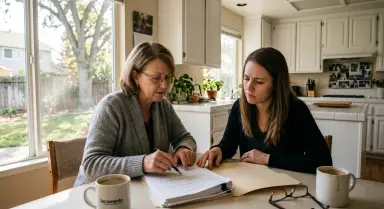
Questions to Ask Before Hiring a California Estate Planning Attorney

Need an Estate Planning Attorney?
Get matched with pre-screened attorneys in your area. Free to use, no obligation.
Get Matched Free
If you are hiring an estate planning attorney in California, the most important questions to ask cover their experience with California-specific trust and probate law, their fee structure, how they handle trust funding after signing, and how often they recommend updating your plan. Getting clear answers to these questions before you commit can be the difference between a plan that works seamlessly and one that leaves your family facing costly probate court proceedings.
In my experience as an attorney, most families that end up in a probate nightmare had a relative who kept saying they would get to the will eventually. Estate planning is not just about preparing for death — it is about protecting your family from uncertainty at every stage of life, including potential incapacity. This guide walks you through the key questions to ask, what to look for in a California estate planning attorney, and how to avoid the most common mistakes families make.
Why Estate Planning in California Is More Complex Than You Think
California has some of the most nuanced estate planning laws in the country. The California Probate Code governs how property passes upon death or incapacity, and it contains rules that affect nearly every type of asset — from real estate and bank accounts to business interests and retirement funds.
Under California Probate Code Section 6100, any individual who is at least 18 years old and of sound mind may create a will. However, a will alone is often not enough to avoid probate in California. As of April 1, 2025, estates with personal property valued above $208,850 generally cannot use simplified small estate transfer procedures under California Probate Code Sections 13100 and 13101 — meaning a formal probate proceeding may be required. That process is public, time-consuming, and potentially costly. Under Assembly Bill 2016, primary residences valued up to $750,000 may now qualify for simplified transfer procedures without full probate, effective April 1, 2025.
California is also a community property state. Most assets acquired during marriage are presumed to be equally owned by both spouses, with important exceptions for separate property. This has direct consequences for how trusts and wills must be structured. A knowledgeable California estate planning attorney understands how these rules interact and can draft documents that reflect your actual intentions under state law.
The Essential Questions to Ask a California Estate Planning Attorney
1. How Much of Your Practice Is Devoted to California Estate Planning?
Estate planning law varies substantially from state to state. You want an attorney whose primary focus is California trust and probate law — not someone who handles estate planning as a side practice alongside personal injury or family law cases. Ask specifically about their experience with revocable living trusts, irrevocable trusts, special needs trusts, and community property issues. California's community property rules, combined with its probate thresholds and trust funding requirements, create a legal environment where state-specific expertise genuinely matters.
2. What Documents Will My Estate Plan Include?
A comprehensive California estate plan typically goes beyond a simple will. Ask the attorney to explain which documents they recommend for your situation and why. A complete plan often includes a revocable living trust, a pour-over will, a durable power of attorney for finances, and an advance healthcare directive. Each document serves a distinct function. The durable power of attorney designates a trusted person to make financial decisions if you become incapacitated, while the advance healthcare directive — governed by California Probate Code Sections 4600–4806 — designates someone to make medical decisions on your behalf. Understanding what you are getting, and why, is a reasonable expectation before you sign anything.
3. How Do You Handle Trust Funding After the Documents Are Signed?
This is one of the most overlooked questions in the estate planning process, and it is one of the most important. A revocable living trust only works to avoid probate if the assets you own are actually transferred into the trust's name — a process called trust funding. An unfunded trust is essentially a legal document with no assets attached to it, which means your estate may still go through probate despite the cost and effort of creating the trust. Ask the attorney whether they assist with retitling bank accounts, investment accounts, and real estate deeds, or whether that responsibility falls entirely to you after the signing appointment.
4. What Is Your Fee Structure, and What Does It Include?
California estate planning attorneys typically charge either a flat fee for a defined package of documents or an hourly rate for more complex matters. A basic will may cost between $500 and $1,000. A full revocable living trust package — including the trust agreement, pour-over will, powers of attorney, and advance healthcare directive — generally ranges from $2,500 to $7,000 or more, depending on complexity and the attorney's location. Before work begins, ask for a written fee agreement that specifies exactly what is included, what is not, and how additional work will be billed. Transparency about costs is a hallmark of a trustworthy attorney-client relationship.
5. How Often Do You Recommend Reviewing and Updating the Plan?
An estate plan is not a one-time document. Life changes — marriage, divorce, the birth of a child, significant changes in assets, or the death of a named beneficiary — can make an existing plan ineffective or contrary to your current wishes. California law also changes. The probate thresholds above were updated in April 2025, and estate tax rules at the federal level are subject to ongoing legislative changes. Ask the attorney how they communicate with clients about changes in the law and what their process is for reviewing plans over time. A good attorney will recommend a review every three to five years, or sooner after a major life event.
6. How Do You Communicate with Clients Throughout the Process?
Responsiveness matters. Estate planning involves sensitive personal and financial information, and you should feel confident that your attorney will return calls and emails promptly, explain documents in plain language, and make you feel informed rather than overwhelmed. During your initial consultation, pay attention to whether the attorney listens carefully, asks follow-up questions about your family and goals, and explains complex legal concepts without unnecessary jargon. The relationship you build with your estate planning attorney may span decades of updates and life changes, so communication style is a practical consideration, not just a preference.
How the Estate Planning Process Works in California
Understanding the process from start to finish helps you ask better questions and set realistic expectations. Here is what a typical engagement looks like:
- Initial consultation: You meet with the attorney to discuss your assets, family structure, and goals. This is your opportunity to ask the questions above and evaluate whether the attorney is the right fit.
- Information gathering: The attorney collects detailed financial information, including asset types, account ownership, existing beneficiary designations, and any prior estate planning documents.
- Strategy development: Based on your situation, the attorney recommends a plan — which may include a revocable living trust, will, powers of attorney, and advance healthcare directive.
- Document drafting: The attorney prepares all legal documents tailored to your circumstances and California law requirements.
- Review and revision: You review drafts carefully and request any revisions. Never sign documents you do not fully understand.
- Signing and notarization: Documents are executed with the required formalities. California wills require two witnesses; trusts require notarization for real property transfers.
- Trust funding: If a trust is part of your plan, your attorney — or a paralegal working under their supervision — should help you retitle assets into the trust's name. This step is critical and is frequently skipped.
- Ongoing review: Schedule periodic reviews to keep the plan current with your life and with changes in California law.
What It Typically Costs to Hire an Estate Planning Attorney in California
Costs vary based on the complexity of your estate, the types of documents involved, and the attorney's experience and location within California. The table below provides a general framework for what to expect. For a deeper look at how estate planning attorney costs break down in comparable markets, see our guides on estate planning attorney costs in Florida and the cost of estate planning in Texas.
| DOCUMENT OR SERVICE TYPICAL COST RANGE IN CALIFORNIA | |
| Simple will | $500 – $1,000 |
| Revocable living trust package (trust, pour-over will, powers of attorney, advance healthcare directive) | $2,500 – $7,000+ |
| Complex trust (irrevocable, special needs, or tax-planning trust) | $5,000 – $15,000+ |
| Hourly rate for amendments or ongoing matters | $300 – $600/hour |
These figures are estimates. The cost of hiring an estate planning attorney in California may be higher in metropolitan areas such as Los Angeles, San Francisco, or San Diego. Always ask for a written fee agreement before work begins so there are no surprises.
Common Mistakes to Avoid When Planning Your Estate in California
Even well-intentioned people make costly mistakes. Knowing what to avoid is as important as knowing what to do.
The most common mistake is simply waiting too long. Estate planning addresses both death and incapacity. If you become unable to communicate your wishes due to illness or injury and you have no advance healthcare directive or durable power of attorney in place, a court may need to appoint a conservator to manage your affairs — a process that is public, expensive, and often stressful for families.
The second most common mistake is failing to fund the trust after it is created. Many people go through the process of establishing a revocable living trust and then fail to transfer their assets into it. A real estate deed that still lists your name individually — rather than your trust — means that property will likely need to go through probate when you pass, regardless of what the trust document says.
Relying on online document templates is another frequent pitfall. While do-it-yourself tools may seem cost-effective, California wills have specific execution requirements, including two witness signatures, and a single drafting error can render a document invalid or unenforceable. The consequences — family disputes, contested probate proceedings, unintended distributions — often far outweigh the initial savings.
Finally, many people create an estate plan and never revisit it. If your plan was drafted before you had children, got divorced, acquired property, or moved to California from another state, there is a reasonable chance it no longer reflects your actual wishes or complies with current law.
What to Look for When Choosing a California Estate Planning Attorney
Beyond credentials and experience, look for an attorney who takes a comprehensive approach — one who asks about your family dynamics, long-term care preferences, and financial picture before recommending a strategy. An attorney who recommends the same plan for every client without asking questions is a red flag.
Verify that the attorney is licensed and in good standing with the State Bar of California. You can search the bar's online directory to confirm licensure status and check for any disciplinary history. Client reviews on legal directories can also provide useful context, but weigh them alongside your own assessment during the consultation.
Look for transparency in billing, clarity in communication, and a willingness to explain what they recommend and why. The best estate planning attorneys treat client education as part of the service — not an afterthought.
Frequently Asked Questions About Hiring an Estate Planning Attorney in California
What is the difference between a will and a revocable living trust in California?
A will provides instructions for distributing your assets after your death and names a guardian for minor children, but it typically must go through California probate court before assets can be transferred. A revocable living trust holds your assets during your lifetime and allows for their distribution after your death without going through probate, providing greater privacy and often faster transfer to beneficiaries.
Does California require probate for all estates?
No. As of April 1, 2025, estates with personal property valued at $208,850 or less may qualify for simplified transfer procedures under California Probate Code Sections 13100 and 13101. Primary residences valued up to $750,000 may also qualify for simplified transfer under AB 2016, effective April 1, 2025. Assets held in a trust, in joint tenancy, or with a named beneficiary typically pass outside of probate entirely.
What happens if I die without a will in California?
If you die without a valid will in California, your estate is distributed according to California's intestate succession laws, found in California Probate Code Sections 6400–6414. The state determines who inherits your property based on family relationships — not your personal wishes. This can lead to outcomes that conflict with your intentions, particularly in blended families or for unmarried partners.
How does California's community property law affect my estate plan?
California is a community property state, meaning most assets acquired during marriage are presumed to be owned equally by both spouses. Upon the death of one spouse, their half of the community property passes according to their will or trust. Separate property — assets owned before marriage or received as gifts or inheritances — is treated differently. Your estate plan must account for these distinctions to function correctly.
What is a pour-over will and why do I need one?
A pour-over will is a companion document to a revocable living trust. If you die with assets that were never transferred into your trust — perhaps a bank account you opened after your trust was created — the pour-over will directs those assets to pour over into your trust at death. It acts as a safety net but does not avoid probate for those assets if they exceed California's threshold amounts.
What is an advance healthcare directive in California?
An advance healthcare directive, governed by California Probate Code Sections 4600–4806, is a legal document that designates a trusted person — your healthcare agent — to make medical decisions on your behalf if you become unable to communicate your wishes. It can also include specific instructions about the types of medical treatment you do or do not want, including preferences regarding life-sustaining treatment.
How long does it take to create an estate plan in California?
A straightforward revocable living trust package typically takes two to four weeks from initial consultation to signing, depending on the attorney's workload and how quickly you can provide the necessary information. More complex plans involving business interests, special needs trusts, or advanced tax planning strategies may take longer. The timeline for funding the trust — retitling assets — can extend several additional weeks depending on the institutions involved.
How often should I update my California estate plan?
Most estate planning attorneys recommend reviewing your plan every three to five years, or sooner if you experience a major life change such as marriage, divorce, the birth or adoption of a child, the death of a named beneficiary, a significant change in assets, or a relocation. Changes in California law, such as updated probate thresholds, may also warrant a review.
Can I create my own will online in California?
California law does not prohibit self-drafted wills. A handwritten (holographic) will signed by the testator is recognized under California Probate Code Section 6111. However, online templates carry real risks: execution errors, missing required language, and failure to account for California's community property rules can render a will partially or entirely invalid. Errors are often not discovered until after your death, when they cannot be corrected.
What is trust funding and why does it matter?
Trust funding is the process of transferring ownership of your assets — real estate, bank accounts, investment accounts, business interests — into the name of your trust. An unfunded or partially funded trust does not avoid probate for the assets that were never transferred into it. This is one of the most common and consequential mistakes in estate planning, and it is worth asking any prospective attorney how they assist with this step.
Do I need an estate plan if I do not have significant assets?
Yes. Even modest estates benefit from proper planning. An advance healthcare directive and durable power of attorney allow trusted individuals to make medical and financial decisions on your behalf if you become incapacitated — regardless of how much you own. A will allows you to name a guardian for minor children. Without these documents, those decisions may be made by a court, not by the people you trust.
What is the role of a durable power of attorney in a California estate plan?
A durable power of attorney designates a person — called your attorney-in-fact or agent — to manage your financial affairs if you become incapacitated. In California, a durable power of attorney remains effective even after you lose capacity, unlike a general power of attorney, which terminates upon incapacity. Without this document, a court conservatorship may be required to manage your finances, which is public, expensive, and time-consuming.
This content is for general informational purposes only, is not legal advice, and does not create an attorney-client relationship. Readers should consult a qualified attorney licensed in their jurisdiction. AttorneyReview works with a network of law firms across the United States. If you need help with your case, get matched free with a qualified attorney.
Ready to find the right attorney for your needs? Search for an estate planning attorney on AttorneyReview.com, or use the Get Matched feature to connect with a qualified California estate planning attorney today.
Need an Estate Planning Attorney?
Get matched with pre-screened attorneys in your area. Free to use, no obligation.
Get Matched Free