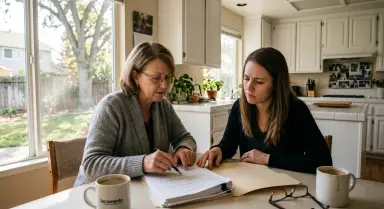
Navigating Estate Planning in California: What to Know

Need an Estate Planning Attorney?
Get matched with pre-screened attorneys in your area. Free to use, no obligation.
Get Matched Free
In my own experience, most families that go through a probate nightmare had a relative who kept saying they would get to the will eventually. As Joy Coleman, Esq., licensed in Georgia and New Jersey, I have seen firsthand the emotional and financial strain that a lack of proper estate planning can inflict. It is completely rational to approach the task of securing your family's future with careful consideration, especially when facing the complexities of California law. This article is designed to guide you through the process of understanding estate planning in California and, most importantly, how to identify and hire the best estate planning attorneys to protect what matters most to you.
What You Are Facing: A Quick Overview
In California, embarking on estate planning means confronting a landscape of specific legal requirements designed to ensure your wishes are honored and your loved ones are provided for. Many people find themselves in a situation where they recognize the urgent need to protect their family's future, but feel overwhelmed by where to start. This might involve creating a will, establishing trusts, designating powers of attorney, or planning for crucial healthcare decisions. The primary goal is often to avoid the lengthy probate process. In California, estates valued under $208,850 (as of April 2025) may qualify for simplified transfer procedures. Additionally, new laws now allow certain primary residences valued up to $750,000 to be transferred to heirs without a full probate proceeding. Without a clear and legally sound plan, your estate could be subject to state intestacy laws, which dictate how your property is distributed, potentially going directly against your deepest intentions for your family. This proactive and rational step of estate planning ensures profound peace of mind, knowing your legacy is secure and your family is spared unnecessary burden, conflict, and expense during an already difficult and emotional time.
Estate Planning Laws in California: What You Need to Know
California's estate planning laws are comprehensive, aiming to provide a detailed framework for individuals to manage their assets and make future care decisions effectively. A foundational piece of legislation for anyone considering their legacy is the California Probate Code. For instance, Division 6 of the California Probate Code, specifically sections beginning with 6100, outlines the legal requirements for creating a valid will. To be legally recognized in California, a will must be in writing, signed by the testator (the person making the will), and crucially, witnessed by at least two individuals. These witnesses must also sign the will and understand that the instrument they are witnessing is indeed a will. Understanding these specific statutory requirements is paramount, as a will that does not meet these precise criteria may be deemed invalid by a court, leading to significant complications and delays for your intended beneficiaries. Furthermore, California is a community property state, a classification that profoundly impacts how assets acquired during a marriage are treated and divided, even in estate planning contexts. This means that assets acquired by either spouse during their marriage are generally considered equally owned by both, a critical factor that must be meticulously addressed when drafting wills and trusts to ensure your intentions regarding asset distribution are legally enforceable and withstand scrutiny. Navigating these intricate legal nuances requires not only general legal knowledge but also a detailed understanding of the state's specific legal framework to effectively safeguard your estate and family's future.
How the Process Works in California
The process of creating a comprehensive estate plan in California typically involves several key steps, designed to cover various aspects of your assets, healthcare, and legacy. While individual circumstances vary significantly, a common and logical progression includes:
- Initial Consultation and Goal Setting: You will first meet with an experienced estate planning attorney to thoroughly discuss your financial situation, understand your unique family dynamics, and articulate your specific goals. This critical initial phase includes identifying all your assets, naming your intended beneficiaries, and clearly expressing any particular wishes regarding your healthcare, philanthropic contributions, or the care of minor children. The attorney will expertly help clarify your objectives, whether it is minimizing taxes, diligently avoiding the probate process, or ensuring responsible care for minor children.
- Document Drafting: Based on the detailed insights gathered from your goals and circumstances, the attorney will meticulously draft the necessary legal documents. These commonly include a Last Will and Testament, various types of trusts (such as a revocable living trust designed specifically to avoid probate), a Durable Power of Attorney for managing financial matters, and an Advance Health Care Directive (often referred to as a Living Will) for crucial medical decisions.
- Review and Revisions: You will then have the opportunity to carefully review the draft documents with your attorney, asking any questions and requesting precise revisions as needed. It is absolutely essential that these documents accurately and unambiguously reflect your deepest intentions and are clear in their legal language.
- Execution of Documents: Once all documents are finalized and approved by you, they must be formally signed and properly witnessed or notarized according to strict California law. While California law does not strictly forbid a beneficiary from witnessing a will, doing so creates a legal presumption that the gift was obtained through fraud or undue influence. Therefore, using two disinterested witnesses (people who do not inherit anything) is essential to ensure the will remains uncontested.
- Funding Trusts (if applicable): If you opt for a living trust, a crucial subsequent step is to "fund" it by formally transferring ownership of your assets (such as real estate, bank accounts, investment portfolios, and valuable personal property) into the trust. This step is undeniably vital for the trust to function exactly as intended and to effectively bypass the probate process.
- Safekeeping and Review: Your original, legally executed documents should be stored in a secure, yet readily accessible location. It is also imperative that your trusted family members or appointed fiduciaries know precisely where to find them. Furthermore, it is strongly recommended to review your entire estate plan periodically, ideally every three to five years, or especially after significant life events such as marriage, divorce, the birth or adoption of children, or substantial changes in your assets or relevant laws.
Throughout this comprehensive process, your attorney acts as your knowledgeable and dedicated guide, ensuring that all legal requirements are met and that your plan is expertly tailored to California's specific and often complex legal environment. For example, documents related to real estate might need to be carefully filed with the county recorder's office in the specific county where the property is located, such as the Los Angeles County Registrar-Recorder/County Clerk or the San Diego County Assessor/Recorder/County Clerk, to ensure proper public record of asset transfer to a trust.
What It Typically Costs in California
Understanding the costs associated with estate planning in California is a common and rational concern. The expense can vary significantly depending on the complexity of your estate, the types of documents you need, and the attorney's experience and location. Generally, you can expect to pay anywhere from $1,000 to $7,000 or more for a comprehensive estate plan in California. A simple will might cost a few hundred dollars, while a complex trust-based plan with intricate tax considerations could easily be several thousand.
Attorneys typically use different fee structures for estate planning services:
Fee Type Description Common Use in Estate Planning
Flat Fee
A fixed price for specific services, regardless of hours worked.
Most common for standard estate planning packages (will, trust, powers of attorney). Offers cost predictability.
Hourly Rate
Charged per hour for the attorney's time and paralegal work.
Less common for initial estate plan creation but used for complex issues, modifications, or ongoing advice. Rates can range from $250 to $700+ per hour.
Many California attorneys offer flat-fee packages for estate planning, which provides transparency and predictability. Always get a clear written fee agreement before beginning any work. Remember, investing in a well-crafted estate plan now can save your family significant time, stress, and expense down the line, far exceeding the initial legal fees.
What to Look for in a Estate Planning Attorney
When seeking the best estate planning attorneys in California, several qualifications and attributes are paramount to ensure you receive competent and reliable guidance. First and foremost, look for an attorney with significant experience specifically in California estate law. This means they are well-versed in the California Probate Code, state tax laws, and unique community property rules. Secondly, assess their communication style; a good attorney should be able to explain complex legal concepts in plain language and be responsive to your questions and concerns. Thirdly, consider their reputation; reviews and testimonials can offer insights into their client satisfaction and professional standing. Finally, ensure they carry appropriate malpractice insurance and are in good standing with the State Bar of California.
When you have your initial consultation, here are two critical questions to ask:
- "What percentage of your practice is dedicated to estate planning in California, and how many similar cases have you handled?" This helps you gauge their specialization.
- "How do you structure your fees for a comprehensive estate plan, and what is included in your standard package?" This ensures clear cost expectations from the outset.
Choosing the right attorney is a deeply personal decision, and finding someone with whom you feel comfortable and confident is essential for a successful estate planning process.
Common Mistakes People Make
In my experience, even with the best intentions, people often make several critical mistakes in their estate planning journey that can lead to significant and often unintended consequences for their families. Here are three common pitfalls that I have observed:
- Procrastinating or Delaying the Process: One of the most frequent errors is simply putting off estate planning, believing there is ample time. Unfortunately, unforeseen circumstances or sudden health changes can arise, leaving families unprepared and forced to navigate the complexities of probate without clear guidance.
- Failing to Regularly Update Documents: Estate plans are not static; they should be reviewed and updated regularly, especially after major life events such as marriage, divorce, the birth or adoption of children, or significant changes in assets, beneficiaries, or California law. Failing to do so can render parts of the plan ineffective or irrelevant to your current situation.
- Not Properly Funding Trusts: Establishing a trust is only the initial step; if assets are not legally and correctly transferred (funded) into the trust, it may not avoid probate as intended. This common oversight defeats the primary purpose of many trusts, leading to the very delays and expenses the trust was designed to prevent.
Frequently Asked Questions
What is estate planning?
Estate planning involves preparing for the management and distribution of your assets and property after your passing, and making important healthcare decisions. It typically includes creating wills, trusts, powers of attorney, and advance healthcare directives to ensure your wishes are followed and your family is protected.
How do I find a good Estate Planning attorney near me?
To find a good estate planning attorney near you in California, start by consulting the State Bar of California's certified legal specialist directory. You can also ask for referrals from trusted friends or financial advisors. Look for attorneys specializing in estate planning, with strong local reviews and a clear communication style.
Do I need an estate plan if I don't have many assets?
Yes, even if you do not have extensive assets, an estate plan is still beneficial. It ensures your wishes for minor children or specific personal belongings are documented. It also includes important directives for your healthcare and financial decisions should you become incapacitated, providing clarity for your loved ones.
What is the difference between a will and a trust in California?
In California, a will provides instructions for distributing your assets after death and can name guardians for minor children, but it typically goes through probate. A living trust allows you to transfer assets into the trust while you are alive, avoiding probate and often providing more privacy and control over asset distribution.
Disclaimer: This article is for general informational purposes only and does not constitute legal advice and does not create an attorney-client relationship. Laws in California change frequently. Always consult a licensed California Estate Planning attorney about your specific circumstances. The journey to finding the best estate planning attorneys in California is an important investment in your family's peace of mind and future security. By understanding California's unique legal landscape, knowing what questions to ask, and recognizing common pitfalls, you can make informed decisions. Taking this proactive step now ensures your legacy is protected and your loved ones are spared unnecessary burden. Do not hesitate to explore your options for Estate Planning Attorneys or Get matched with a qualified attorney today.
Need an Estate Planning Attorney?
Get matched with pre-screened attorneys in your area. Free to use, no obligation.
Get Matched Free