How Long Do Personal Injury Lawsuits Settle in Florida?

Need a Personal Injury Attorney?
Get matched with pre-screened attorneys in your area. Free to use, no obligation.
Get Matched Free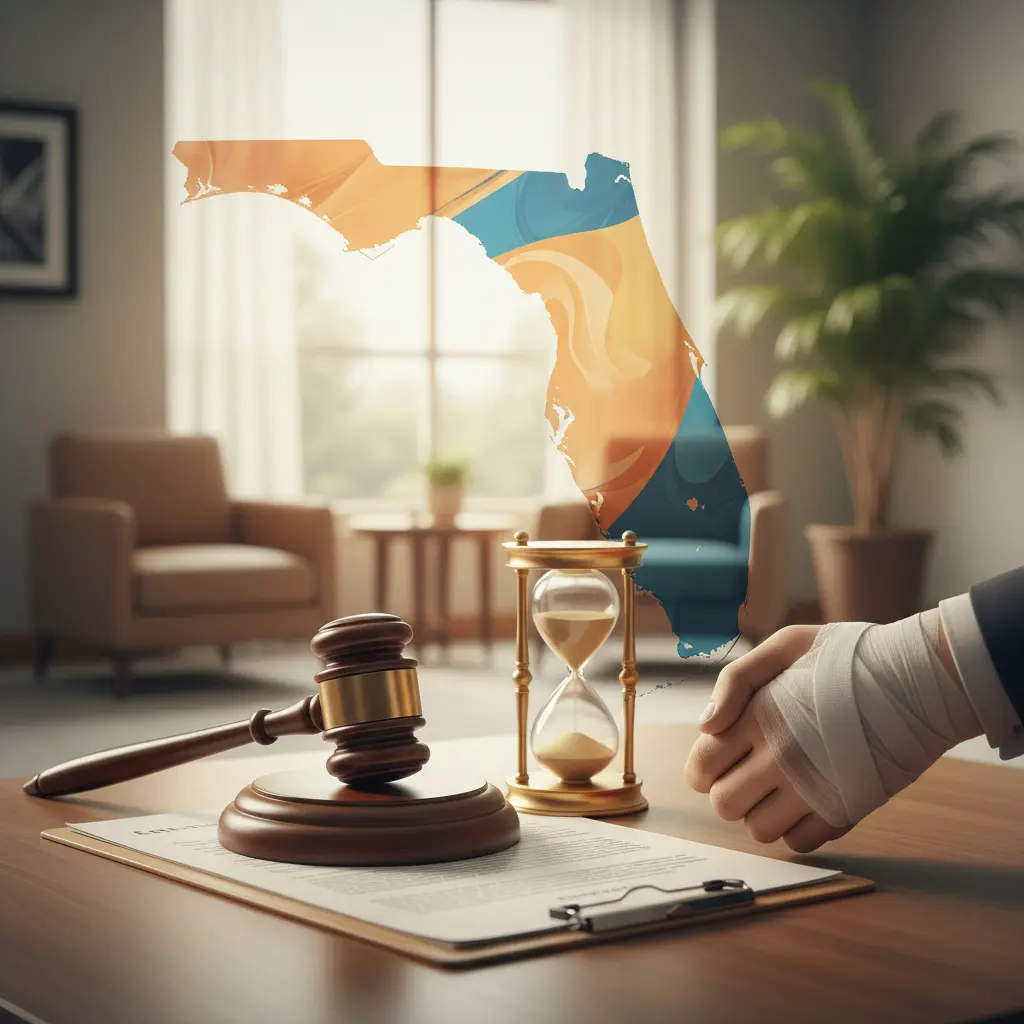
When you're involved in an accident, the physical and emotional toll can be immense. Beyond the immediate recovery, many individuals face the complex process of a personal injury lawsuit. A common concern for those seeking justice is, "How long does a personal injury lawsuit take to settle in Florida?" While there's no single answer, understanding the factors that influence the timeline can help manage expectations and provide clarity during a challenging time.
Understanding the Personal Injury Claim Process in Florida
The journey of a personal injury claim in Florida typically begins with an accident and ends with a settlement or a court verdict. This process can be broken down into several stages, each with its own potential duration.
Initial Investigation and Medical Treatment
The first step after an accident is to seek medical attention. This is crucial not only for your health but also for documenting your injuries. During this time, your attorney will begin their investigation, gathering evidence such as accident reports, witness statements, and medical records. The duration of medical treatment can significantly impact the timeline, as attorneys often advise against settling a claim until the full extent of your injuries and prognosis is clear.
Filing a Claim and Negotiation
Once medical treatment is complete or stabilized, your attorney will typically compile a demand package to send to the at-fault party's insurance company. This package outlines the damages suffered, including medical expenses, lost wages, and pain and suffering. The insurance company will then review the demand and may offer a settlement. This negotiation phase can take several weeks to a few months, depending on the complexity of the case and the willingness of both parties to compromise.
In Florida, there are specific statutes of limitations that dictate the timeframe within which you must file a lawsuit. For most personal injury cases based on negligence (such as car accidents, slip-and-falls, and premises liability), Florida Statutes section 95.11(5) sets a two-year limit from the date of the accident. This deadline was reduced from four years to two years effective March 24, 2023. Note that some claims have different deadlines: intentional torts (assault, battery, false imprisonment) have a four-year limit under § 95.11(3)(n), and medical malpractice claims have a two-year limit with a four-year statute of repose under § 95.11(4)(b).
Litigation: If Settlement Negotiations Fail
If a fair settlement cannot be reached through negotiation, the next stage is litigation. This involves filing a lawsuit in court. Litigation is generally a more prolonged process than settlement negotiations and can include:
Discovery Phase
- During discovery, both sides exchange information and evidence. This can involve written questions (interrogatories), requests for documents, and depositions (out-of-court sworn testimony). The discovery phase can last many months, depending on the amount of information to be exchanged and the number of individuals involved.
Mediation
- Often, courts will mandate mediation, a process where a neutral third party helps the disputing parties reach a mutually agreeable settlement. Mediation can be a very effective way to resolve a case before trial and typically occurs after discovery is well underway.
Trial
- If mediation is unsuccessful, the case may proceed to trial. A trial involves presenting evidence and arguments to a judge or jury. Trials can range from a few days to several weeks. After a verdict, there may also be an appeals process, which can further extend the overall timeline.
Factors Influencing the Settlement Timeline
Several variables can affect how quickly a personal injury lawsuit in Florida settles:
- Severity of Injuries: More severe injuries often require longer medical treatment and result in higher damages, leading to more complex negotiations and potentially longer settlement times.
- Clarity of Liability: If it's clear who was at fault for the accident, the case may settle more quickly. When liability is disputed, it can prolong the process as more evidence is gathered and arguments are made.
- Number of Parties Involved: Cases with multiple at-fault parties or multiple injured parties can be more complicated to resolve.
- Insurance Company Policies: Different insurance companies have varying approaches to handling claims, which can impact the speed of negotiations.
- Court Caseloads: The judicial district where your case is filed can affect the timeline for scheduling hearings and trials due to varying court backlogs.
- Attorney Experience: An attorney experienced in personal injury law, particularly in Florida, can often navigate the process more efficiently, potentially reducing delays.
What to Look for in a Personal Injury Attorney
Choosing the right attorney is a critical step in a personal injury claim. You'll want someone who understands the nuances of Florida law and has a track record of handling similar cases. Here are some key attributes to consider:
- Experience in Florida Personal Injury Law: Look for an attorney with a deep understanding of Florida Statutes relevant to personal injury, such as those concerning negligence, comparative fault, and insurance requirements (e.g., Florida's no-fault insurance law, Florida Statutes sections 627.730-627.7407).
- Communication Skills: Your attorney should be able to clearly explain the legal process, keep you updated on your case, and answer your questions in an understandable manner.
- Reputation: Research the attorney's professional reputation, including client testimonials and peer reviews.
- Resources: Ensure the attorney's firm has the resources to investigate your claim thoroughly, including accident reconstructionists, medical experts, and legal support staff.
- Contingency Fee Basis: Most personal injury attorneys work on a contingency fee basis, meaning they only get paid if you win your case. This aligns their interests with yours and makes legal representation accessible.
Consider looking for a personal injury attorney by visiting Personal Injury Attorneys to help guide you to relevant legal representation.
The Role of Damages in Settlement Timelines
The type and extent of damages sought also play a significant role in how long a case takes to settle. In Florida, damages in a personal injury case can include:
- Economic Damages: These are quantifiable losses such as medical bills (past and future), lost wages (past and future), and property damage. Detailed documentation for these damages is essential.
- Non-Economic Damages: These are more subjective, such as pain and suffering, emotional distress, and loss of enjoyment of life. Valuing these damages can be a point of contention and may require more negotiation.
The thorough documentation and calculation of these damages are crucial for both settlement negotiations and potential trial. This often involves gathering extensive medical records, employment records, and sometimes expert testimony to project future losses.
Seeking Legal Guidance
Navigating a personal injury lawsuit in Florida can be complex and emotionally draining. While a definitive timeline is elusive, understanding the process and the factors that influence it can empower you to make informed decisions. Seeking guidance from a qualified personal injury attorney in Florida is highly recommended. They can provide personalized advice based on the specifics of your case and help you pursue the compensation you may be entitled to under Florida law.
If you are ready to take the next step, you can Get matched with a qualified attorney to discuss your personal injury claim.
Disclaimer: Please remember that this content provides general information and is not intended as legal advice. Every personal injury case is unique, and the information provided here may not apply to your specific situation. For advice tailored to your circumstances, consult with a qualified attorney.
Need a Personal Injury Attorney?
Get matched with pre-screened attorneys in your area. Free to use, no obligation.
Get Matched Free