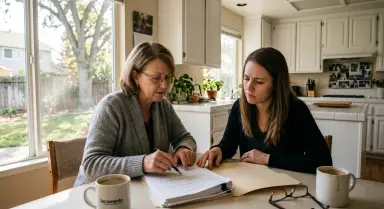
Hiring an Estate Planning Lawyer in San Francisco: Key Considerations

Need an Estate Planning Attorney?
Get matched with pre-screened attorneys in your area. Free to use, no obligation.
Get Matched Free
In my own experience, most families that go through a probate nightmare had a relative who kept saying they would get to the will eventually. It is a common human tendency to put off thinking about end-of-life planning, but the consequences of procrastination can be severe for those you leave behind. As an attorney, I have seen firsthand the stress and financial burden that an unplanned estate can inflict on grieving families. You are approaching this topic with a rational mindset, which is the best way to ensure your family’s future is secure. This article will help you understand what to look for and expect when hiring an estate planning lawyer in San Francisco to protect your loved ones and your legacy.
What You Are Facing: A Quick Overview
San Francisco presents a unique landscape for estate planning. The city is known for its high property values, diverse investment portfolios, and often complex family structures. For many residents, the primary goal is to protect their family's future, ensuring that assets pass smoothly and efficiently to beneficiaries without unnecessary delays, taxes, or disputes. Without a clear plan, your estate could face a lengthy and costly probate process through the Superior Court of California, County of San Francisco, where a judge determines how your assets are distributed based on state law, not necessarily your wishes. This scenario often leads to significant emotional distress and financial strain for your heirs. Crafting an estate plan means proactively making decisions about your assets, healthcare wishes, and the care of minor children, providing clarity and peace of mind during an otherwise difficult time.
Estate Planning Laws in California: What You Need to Know
California's estate planning laws are comprehensive, and understanding them is crucial for effective planning. One of the most fundamental aspects is the California Probate Code. For instance, California Probate Code Section 6400 series addresses "Intestate Succession," which dictates how a person's assets are distributed if they die without a valid will or trust. In simple terms, if you pass away in California without an estate plan, the state has a predetermined hierarchy for distributing your property, starting with your spouse and children, then parents, siblings, and so on. This might not align with your specific wishes, especially for blended families, unmarried partners, or unique charitable intentions.
Beyond intestacy, California law governs the creation and validity of wills, trusts, powers of attorney, and advance healthcare directives. A properly drafted will (governed by Probate Code Section 6100 series) ensures your assets are distributed as you intend and allows you to name guardians for minor children. Trusts, particularly revocable living trusts (often guided by Probate Code Section 15200 series for their creation), are popular in California because they can help avoid the probate process entirely, keeping your financial affairs private and often expediting asset distribution. Understanding these legal frameworks is essential, and a skilled San Francisco estate planning attorney can navigate these complexities on your behalf, ensuring your plan complies with all state requirements.
How the Process Works in San Francisco
Engaging in estate planning in San Francisco typically follows a structured process, designed to ensure all your wishes are accurately captured and legally sound. Here is a realistic overview:
- Initial Consultation and Fact-Finding: Your first meeting with an estate planning attorney will involve a thorough discussion of your financial situation, family dynamics, assets, liabilities, and your specific goals and concerns. This is where you outline who you want to inherit what, who should care for minor children, and your healthcare preferences. The attorney will gather necessary documentation, such as property deeds, investment statements, and existing insurance policies.
- Strategy and Plan Design: Based on the initial consultation, your attorney will recommend specific estate planning tools tailored to your needs. This might include a revocable living trust, a pour-over will, durable powers of attorney for finances, and an advance healthcare directive. They will explain the purpose of each document and how they work together to form a comprehensive plan.
- Document Drafting: Once the strategy is agreed upon, the attorney's office will draft all necessary legal documents. This is a meticulous process, ensuring every clause and condition aligns with California law and your specific intentions.
- Review and Execution: You will review the drafted documents with your attorney to ensure accuracy and clarity. Once everything is confirmed, you will formally sign the documents. This often requires witnesses and sometimes notarization, depending on the document. For instance, wills strictly require at least two witnesses to be valid under Probate Code § 6110, and notarization alone is insufficient. Conversely, while California law is more flexible regarding trust execution, notarization is the standard practice to ensure the trust can hold real property and is accepted by financial institutions.
- Trust Funding (If Applicable): If you establish a living trust, the crucial next step is "funding" it. This involves formally transferring ownership of your assets (like real estate, bank accounts, and investment accounts) into the name of the trust. This step is vital to ensure your assets bypass probate. Your attorney will provide guidance on how to properly fund your trust.
- Periodic Review: Life changes. It is advisable to review your estate plan every three to five years, or sooner if there are significant life events such as marriage, divorce, birth of a child, death in the family, or substantial changes in assets or tax laws.
If, for some reason, an estate plan is not in place, the estate would typically be administered through the probate court system, specifically the Superior Court of California, County of San Francisco, if the deceased resided in the county.
What It Typically Costs in San Francisco
The cost of estate planning services in San Francisco can vary widely depending on the complexity of your estate, the types of documents required, and the attorney's experience and reputation. Generally, attorneys in the Bay Area market offer services through a few common fee structures. For a basic estate plan, which might include a will, durable power of attorney, and advance healthcare directive, you might expect to pay a flat fee. More comprehensive plans, especially those involving revocable living trusts, multiple properties, or complex business interests, will naturally incur higher costs. These comprehensive packages can range from a few thousand dollars to significantly more, reflecting the extensive legal work involved in asset protection and complex trust provisions. For very complex matters or ongoing advice, attorneys may charge an hourly rate.
It is critical to note that if your estate enters probate, California Probate Code § 10810 sets mandatory 'statutory fees' for attorneys and executors based on the gross value of the estate. For example, a $1 million home could result in over $23,000 in legal fees alone, which is why San Francisco residents prioritize living trusts to bypass these state-mandated costs.
Fee StructureDescription
- Flat Fee: Common for standard estate plans (e.g., wills, trusts, powers of attorney). Predictable cost for defined services.
- Hourly Rate: Used for more complex estates, ongoing advice, or probate litigation. Costs vary based on attorney experience and case complexity.
- Retainer: An upfront payment held in trust, from which hourly fees are drawn. Common for ongoing or potentially litigious matters.
It is important to discuss fee structures transparently during your initial consultation. Remember, investing in a well-crafted estate plan now can save your family significantly more in probate costs, taxes, and potential legal disputes down the line.
What to Look for in a Estate Planning Attorney
Choosing the right estate planning attorney in San Francisco is a critical decision. Here are some practical qualifications and questions to consider:
- Experience in California Estate Law: Ensure the attorney has a deep understanding of California-specific probate, trust, and tax laws. State laws vary significantly, and local expertise is invaluable.
- Specialization: Look for an attorney whose practice is primarily focused on estate planning. A general practitioner may not have the detailed knowledge required for complex estate situations.
- Communication Style: The attorney should be able to explain complex legal concepts in plain language. You want someone who listens to your concerns and can clearly articulate your options.
- Fee Transparency: A reputable attorney will be upfront about their fees and fee structure. Ask for a written fee agreement.
- Local Knowledge: An attorney familiar with the San Francisco legal community and local court procedures can offer additional insights and efficiencies, especially if probate becomes necessary.
When you have a consultation, consider asking: "How many estate plans have you drafted that include revocable living trusts in California?" and "What is your typical approach to structuring an estate plan for families with minor children or complex assets?" These questions can reveal their depth of experience and approach.
Common Mistakes People Make
When it comes to estate planning, several common missteps can undermine even the best intentions:
- Delaying the Process: The most frequent mistake is simply putting off estate planning until it is too late, leaving loved ones to deal with a potentially complicated and expensive probate process.
- Not Updating Documents: Life events like marriage, divorce, births, deaths, or significant changes in assets require updates to your estate plan, which many people neglect to do.
- Not Funding Trusts: Establishing a trust is only half the battle; if assets are not properly transferred into the trust (funding), it may still have to go through probate.
- Choosing an Attorney Based Solely on Cost: While cost is a factor, prioritizing the cheapest option over expertise and experience can lead to poorly drafted documents and future legal problems.
Additionally, California law requires that the original will be 'lodged' with the San Francisco Superior Court within 30 days of the individual's passing.
Frequently Asked Questions
How do I find a good Estate Planning attorney near me?
Finding a good estate planning attorney in San Francisco involves researching local bar associations, seeking referrals from trusted financial advisors, and checking online legal directories. Look for attorneys specializing in estate planning and read client reviews to gauge their experience and client satisfaction.
What documents are included in a typical estate plan?
A typical estate plan often includes a will, which directs asset distribution; a revocable living trust, for probate avoidance; durable powers of attorney, for financial management; and an advance healthcare directive, stating your medical wishes and appointing a healthcare agent.
Can I create an estate plan myself?
While DIY estate planning kits exist, they often lack the personalized guidance needed for California-specific laws and complex situations. A skilled attorney ensures your plan is legally sound, tailored to your unique circumstances, and effectively avoids potential pitfalls.
How often should I review my estate plan?
You should review your estate plan every three to five years, or immediately following significant life changes such as marriage, divorce, birth or adoption of a child, death of a beneficiary or executor, or substantial changes in your assets or relevant tax laws.
Disclaimer: This content is for general informational purposes only, is not legal advice, and does not create an attorney-client relationship. Readers must consult a licensed California Estate Planning attorney before taking any action. AttorneyReview works with a network of law firms across the United States. If you need help with your case, get matched free with a qualified attorney.
This article is for general informational purposes only and does not constitute legal advice. Laws in California change frequently. Always consult a licensed California Estate Planning attorney about your specific circumstances.
Taking the proactive step to create an estate plan is a thoughtful way to show you care for your family. As someone who has witnessed the complexities that arise without proper planning, I cannot overstate the peace of mind a well-crafted estate plan provides. By understanding the key considerations for hiring an estate planning lawyer in San Francisco, you are empowering yourself to make informed decisions that safeguard your legacy and your loved ones' future. Do not delay in securing this essential protection. Find out more about Estate Planning Attorneys and take the first step to Get matched with a qualified attorney today.
Need an Estate Planning Attorney?
Get matched with pre-screened attorneys in your area. Free to use, no obligation.
Get Matched Free