Best Chapter 13 Attorney in Los Angeles: Complete 2026 Guide

Need a Bankruptcy Attorney?
Get matched with pre-screened attorneys in your area. Free to use, no obligation.
Get Matched Free
If you are searching for the best Chapter 13 attorney in Los Angeles, focus on three things: a lawyer who routinely files in the U.S. Bankruptcy Court for the Central District of California, who can clearly explain how California's homestead and exemption rules will protect your assets, and whose fees fit within the structure of a Chapter 13 plan. The Central District of California is the busiest consumer bankruptcy court in the country, with 24,278 nonbusiness bankruptcy filings in the 12-month period ending December 31, 2024, according to the Congressional Research Service — meaning local court familiarity is not a bonus but a baseline expectation.
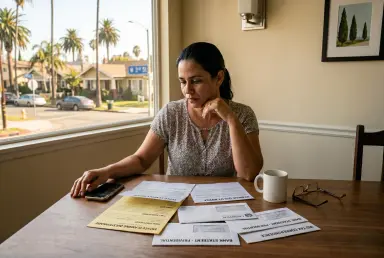
I am Joy Coleman, Esq., a licensed attorney in Georgia and New Jersey. While I do not practice in California, I have guided clients through complex legal challenges and understand the urgency you are likely feeling. The decision to consider Chapter 13 is often made under pressure: aggressive creditor calls, foreclosure notices, wage garnishments, or a lawsuit on the horizon. This guide walks you through how the process works in Los Angeles, what it costs, what to look for in counsel, and the mistakes that derail otherwise viable cases.
What Chapter 13 Bankruptcy Does for You
Chapter 13 bankruptcy reorganizes your debts into a court-supervised repayment plan that lasts three to five years, depending on your income relative to California's median. Filing immediately triggers an "automatic stay" under 11 U.S.C. § 362, which halts most collection activity, foreclosures, repossessions, and wage garnishments while your plan is in place.
The repayment plan is the core mechanism. You propose a feasible monthly payment based on disposable income; secured creditors (mortgage, car loan) get priority treatment; unsecured creditors (credit cards, medical debt) receive whatever the plan provides. At the end of the plan, qualifying remaining unsecured balances are discharged. For Los Angeles residents struggling to keep a home or a vehicle, this structure is often more useful than Chapter 7, which liquidates non-exempt assets but does not let you cure a mortgage arrearage over time.
If your financial pressure stems primarily from credit card debt rather than a home or car you want to save, a court filing may not be the only option. Some consumers explore alternatives like negotiated settlement before committing to bankruptcy — a comparison of debt relief companies and their performance-based pricing can be a useful early step in deciding which path fits your situation.
How California Bankruptcy Exemptions Work
While Chapter 13 itself is governed by federal law (Title 11 of the U.S. Code), the assets you can protect are determined by California state law. This is where many filers get tripped up.
California is what bankruptcy professionals call an "opt-out" state: filers in California cannot use the federal bankruptcy exemptions. Instead, you must choose between two California-specific exemption sets, which are mutually exclusive — you cannot mix and match.
| EXEMPTION SET | STATUTE | BEST FOR |
| System 1 (704) | CCP § 704.730 — homestead exemption between $300,000 and $600,000 | Homeowners with significant equity |
| System 2 (703) | CCP § 703.140(b) — flat homestead plus a flexible "wildcard" exemption | Renters and filers with low home equity but other valuable property |
Under California Code of Civil Procedure § 704.730, the System 1 homestead exemption is the greater of $300,000 or the countywide median sale price for a single-family home (capped at $600,000), adjusted annually for inflation. Because median home prices in Los Angeles County far exceed the cap, virtually all L.A. homeowners using System 1 receive the maximum protection. System 2, by contrast, offers a smaller homestead but a substantial wildcard that can shield cash, business equipment, or other personal property the 704 set does not cover.
Choosing the wrong system can cost you tens of thousands of dollars in protected equity. This is one of the strongest reasons to retain experienced local counsel rather than attempting a pro se filing.
How a Chapter 13 Case Moves Through Court in Los Angeles
A Chapter 13 case in Los Angeles is filed in the U.S. Bankruptcy Court for the Central District of California. The procedural steps are dictated by federal law and local court rules; here is the sequence you can expect.
- Initial consultation and document gathering. Your attorney reviews income, expenses, assets, and debts to confirm Chapter 13 is the right tool. You assemble pay stubs, two years of tax returns, bank statements, and a list of every creditor.
- Mandatory pre-filing credit counseling. Federal law (11 U.S.C. § 109(h)) requires completion of an approved credit counseling course within 180 days before filing.
- Filing the petition. Your attorney files the petition, schedules, and proposed plan with the bankruptcy court. The automatic stay activates the moment the case is filed.
- The 341 meeting of creditors. Roughly 21 to 50 days after filing, you appear before the Chapter 13 trustee and answer questions under oath about your finances and plan. Creditors may attend but rarely do in consumer cases.
- Plan confirmation. The court holds a confirmation hearing. The judge reviews the plan, addresses any trustee or creditor objections, and either confirms it, requires amendments, or denies confirmation.
- Plan payments. You make monthly payments to the Chapter 13 trustee, who distributes them to creditors per the confirmed plan.
- Debtor education and discharge. Before discharge, you must complete an approved debtor education course. After all plan payments are made, the court discharges qualifying remaining unsecured debts.
The whole framework rewards patience and precise compliance. According to a Nolo survey of consumer filers, only about 52% of Chapter 13 cases reach discharge; the rest are dismissed, often for missed payments or paperwork failures. Strong representation is the single largest predictor of completion.
What Chapter 13 Costs in Los Angeles
Two categories of cost matter: court fees and attorney fees.
The federal court filing fee for Chapter 13 is $313 as of 2026, set by the U.S. Courts Bankruptcy Court Miscellaneous Fee Schedule. Unlike Chapter 7, this fee cannot be waived for Chapter 13 filers, but it can typically be paid in installments. The required pre-filing credit counseling and post-filing debtor education courses each cost between $10 and $50, with fee waivers available for low-income filers from approved providers.
Attorney fees in Los Angeles for a typical consumer Chapter 13 case generally range from $4,000 to $6,000 — higher than national averages because of the Central District's complexity and cost of living. Federal courts establish "presumptive fees" (sometimes called no-look fees) that streamline approval; an attorney charging within that range avoids a separate fee application hearing.
The most useful feature of Chapter 13 attorney billing is structural: most of the fee is rolled into your repayment plan rather than paid upfront. A common arrangement involves a modest upfront retainer covering the filing fee and initial work, with the remaining attorney fee paid over the life of the plan through trustee distributions. This makes competent counsel accessible even to filers in acute financial distress. During your consultation, ask for a written fee disclosure and confirmation of how much must be paid before filing.
What to Look For in a Bankruptcy Attorney
The best Chapter 13 attorney in Los Angeles is not necessarily the one with the largest billboard. Evaluate prospective counsel against four criteria.
Specialized Chapter 13 experience. A general practitioner who occasionally files bankruptcy is not the same as an attorney whose practice centers on consumer reorganization. Ask how many Chapter 13 cases the attorney has handled in the past year and what percentage reached confirmation.
Familiarity with Central District practice. Each district has its own local rules, standing orders, and trustee preferences. An attorney who regularly appears before the Central District's judges and Chapter 13 trustees will anticipate procedural quirks that catch outsiders off guard.
Clear, plain-English communication. You will be making consequential financial decisions over a multi-year plan. If an attorney cannot explain the difference between System 1 and System 2 exemptions in language you understand, that is a warning sign.
Transparent fee structure. Ask for the total fee, the upfront portion, and exactly what is included. A reputable attorney will provide this in writing during the initial consultation.
Two questions to ask directly: "How many of your Chapter 13 plans were confirmed in the Central District last year, and how many were dismissed before discharge?" and "What is your typical response time when a client emails between scheduled meetings?" The answers will tell you everything about both competence and service quality.
Common Mistakes That Derail Chapter 13 Cases
The Bankruptcy Code is unforgiving of incomplete disclosures and pre-filing missteps. Three pitfalls account for most preventable case failures.
Transferring assets before filing. Moving property to family members or close friends in the months before filing — even with the best of intentions — can be characterized as an attempt to hide assets, leading to case dismissal or, in serious cases, allegations of bankruptcy fraud under 18 U.S.C. § 152.
Incurring new debt shortly before filing. Running up credit card balances, taking out a personal loan, or making large luxury purchases on credit in the 90 days before filing creates a presumption of nondischargeability for those debts and signals bad faith to the trustee. The court will treat this as an attempt to game the system.
Failing to disclose assets or debts. Every asset, every account, every debt must be listed in your schedules — including anything you think is too small to matter. Bankruptcy schedules are signed under penalty of perjury. Omissions, even unintentional ones, can result in case dismissal, denial of discharge, or criminal referral.
Beyond bankruptcy itself, filers should plan for the credit-rebuilding phase that follows discharge. Chapter 13 can remain on a credit report for up to seven years from filing, and rebuilding starts the day the case is discharged. Credit Saint's guide to bankruptcy and credit reports explains how the reporting timelines work and what consumers can dispute under the Fair Credit Reporting Act.
Frequently Asked Questions
How do I find a good bankruptcy attorney near me in Los Angeles?
Start with attorneys who specialize in consumer bankruptcy and regularly file in the Central District of California. Look at verified client reviews, check that the attorney is in good standing with the State Bar of California, and confirm they offer a free or low-cost initial consultation. AttorneyReview.com lists licensed attorneys filtered by location and practice area.
Can I keep my house in Chapter 13 bankruptcy?
Yes — saving a home from foreclosure is one of the most common reasons consumers file Chapter 13 in Los Angeles. The plan lets you cure mortgage arrears over three to five years while staying current on the regular monthly mortgage payment. The automatic stay halts the foreclosure sale the moment the case is filed.
How long does Chapter 13 bankruptcy last?
Three or five years, depending on income. If your current monthly income is below the California median for your household size, the plan is typically three years. If your income is above the median, federal law (11 U.S.C. § 1322(d)) requires a five-year plan. No Chapter 13 plan can run longer than five years.
Will Chapter 13 stop a foreclosure?
Yes, immediately. Filing the petition triggers the automatic stay, which halts the foreclosure sale and gives you the protected window to cure arrears through the plan. This is one of the most powerful tools in consumer bankruptcy law.
What is the difference between Chapter 7 and Chapter 13?
Chapter 7 is liquidation: non-exempt assets are sold and most unsecured debts are discharged in three to six months. Chapter 13 is reorganization: you keep your assets and repay creditors over three to five years. Chapter 7 has strict income limits via the means test; Chapter 13 has no income ceiling but does have debt limits.
Can I file Chapter 13 without an attorney?
You are legally allowed to file pro se, but pro se Chapter 13 cases have a very high dismissal rate. The plan-confirmation process is too procedurally complex for most non-lawyers to navigate successfully, and a dismissed case can leave you worse off than before filing.
Will Chapter 13 wipe out all my debts?
No. Certain debts are not dischargeable in Chapter 13, including most student loans, recent tax obligations, domestic support obligations (child support, alimony), debts incurred through fraud, and criminal restitution. Your attorney will identify which of your debts fall outside discharge before filing.
How much income do I need to qualify for Chapter 13?
You need a regular, predictable source of income — wages, self-employment income, Social Security, pension, or other steady payments — sufficient to fund the proposed plan after reasonable living expenses. Your attorney will perform a budget analysis to confirm feasibility before filing.
Disclaimer
This content is for general informational purposes only, is not legal advice, and does not create an attorney-client relationship. Readers should consult a qualified attorney licensed in their jurisdiction. AttorneyReview works with a network of law firms across the United States. If you need help with your case, get matched free with a qualified attorney.
Ready to find local representation? You can search for a Bankruptcy attorney on AttorneyReview.com to compare verified profiles in your area.
If you are based in the Los Angeles area, you can also browse attorneys directly in Los Angeles, California.
Prefer to skip the search? Use the Get Matched tool to be connected with pre-screened bankruptcy attorneys in your area at no cost.
Need a Bankruptcy Attorney?
Get matched with pre-screened attorneys in your area. Free to use, no obligation.
Get Matched Free